A practical comparison of machine layouts for standard moulding, insert loading and specialist production.
Injection moulding machines are commonly described as horizontal or vertical according to the direction in which the clamping unit opens and closes. Both layouts can produce accurate components, but the best choice depends on the tool, inserts, part handling and wider production cell.
What Is a Horizontal Injection Moulding Machine?
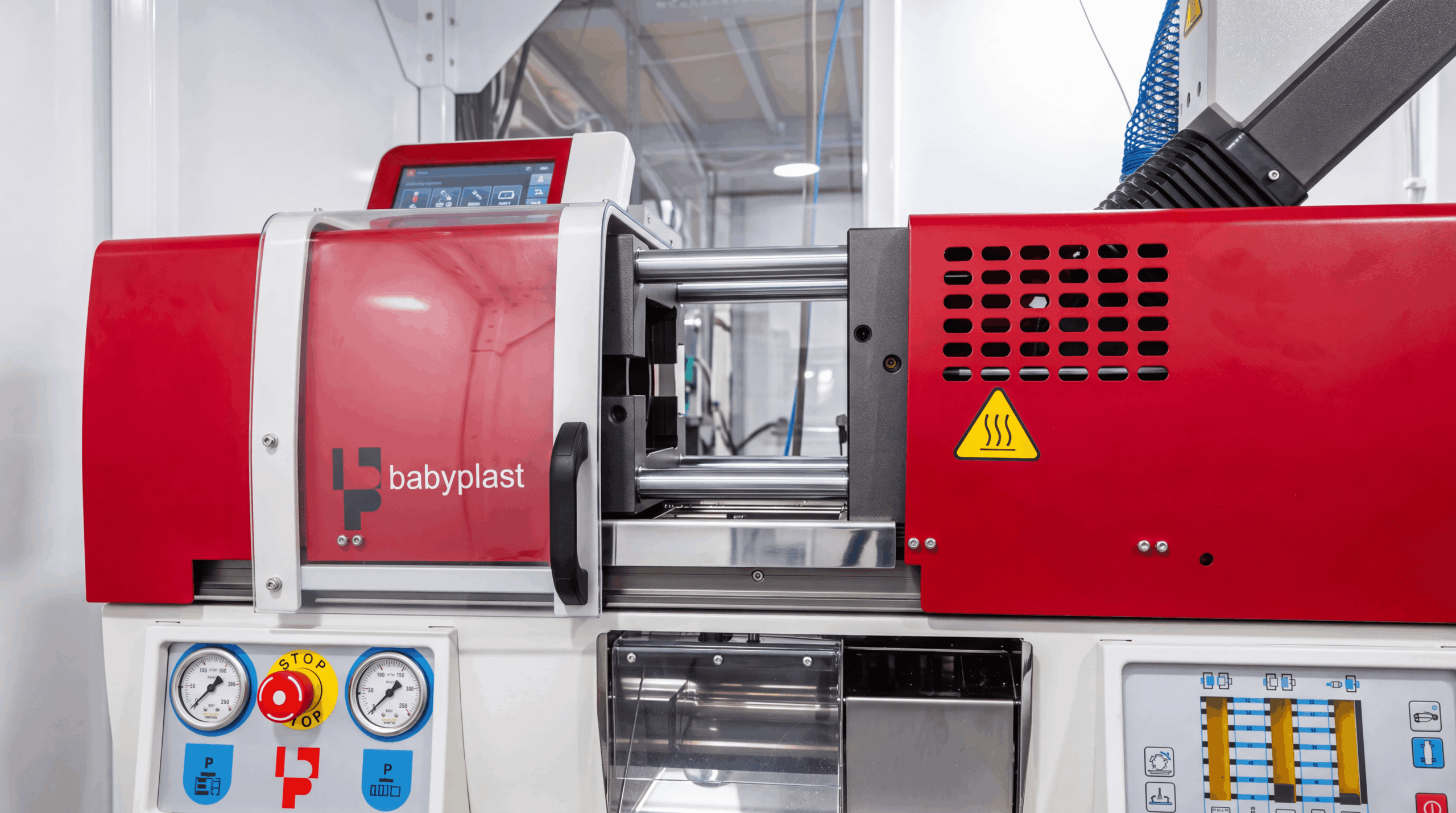
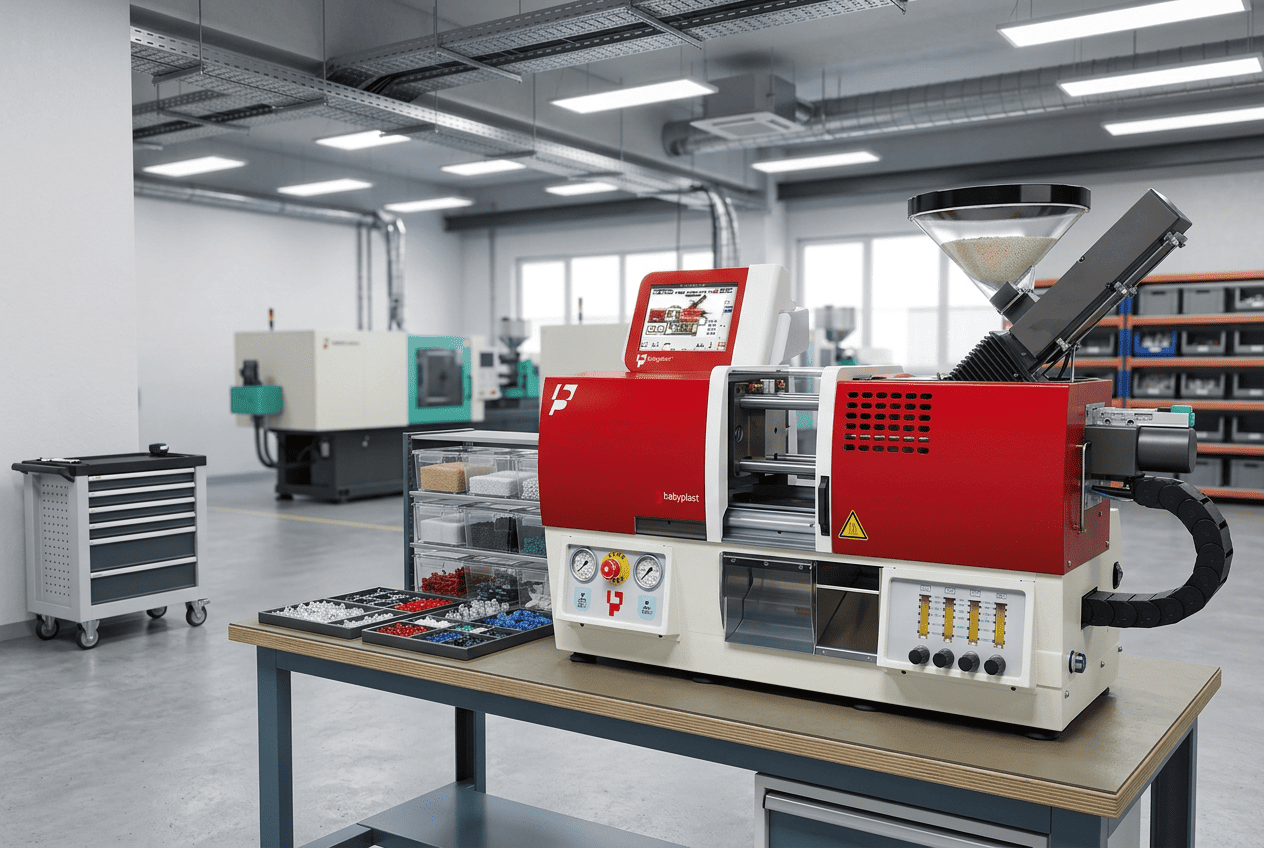
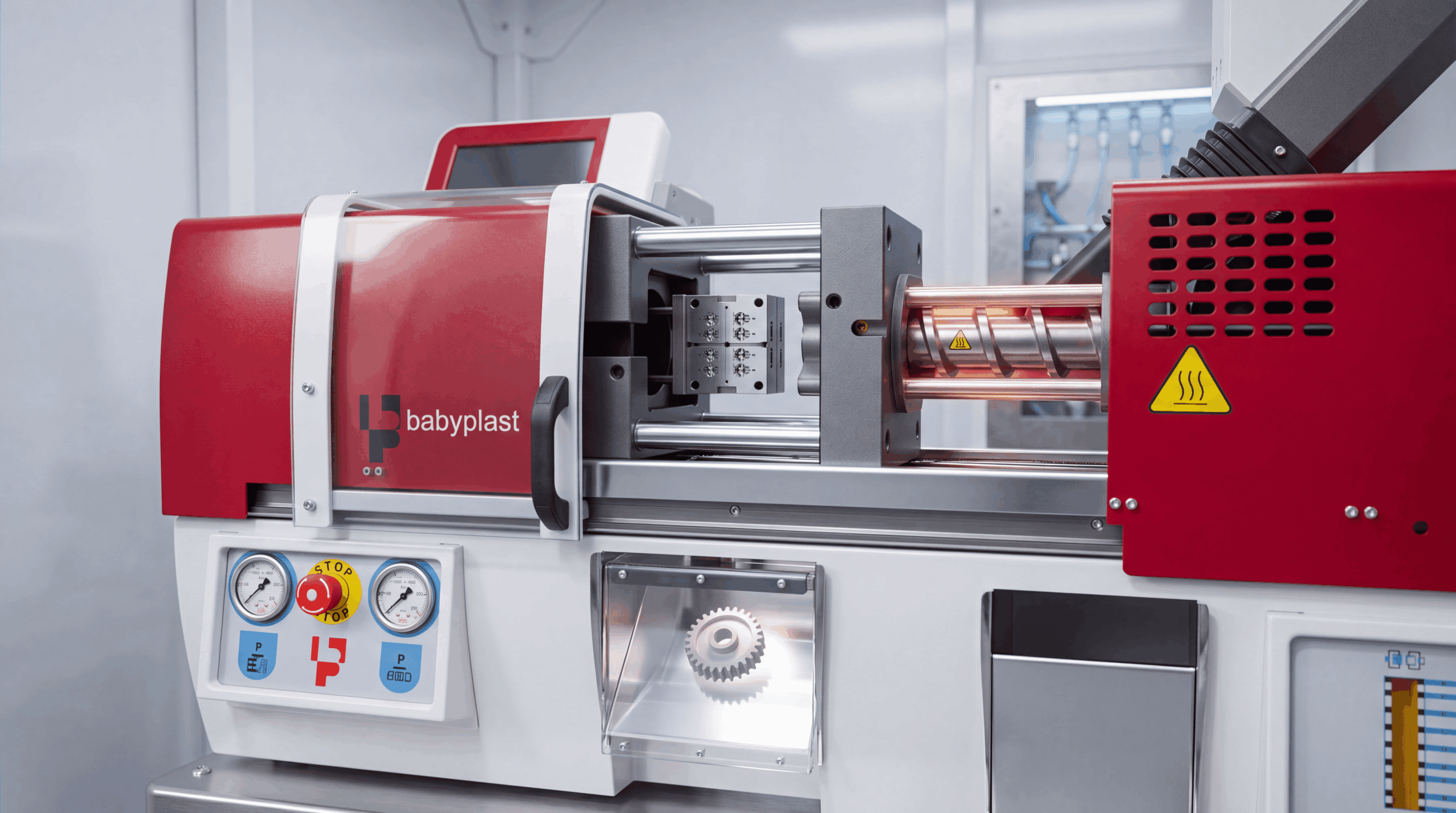
On a horizontal injection moulding machine, the mould opens along a horizontal axis. This is the familiar arrangement used across much of the plastics industry. Finished parts can drop below the tool or be removed by a robot, chute or operator.
Horizontal machines are well suited to conventional moulding where inserts do not need to be held in position before the mould closes. They are also straightforward to integrate with standard part-removal equipment.
What Is a Vertical Injection Moulding Machine?
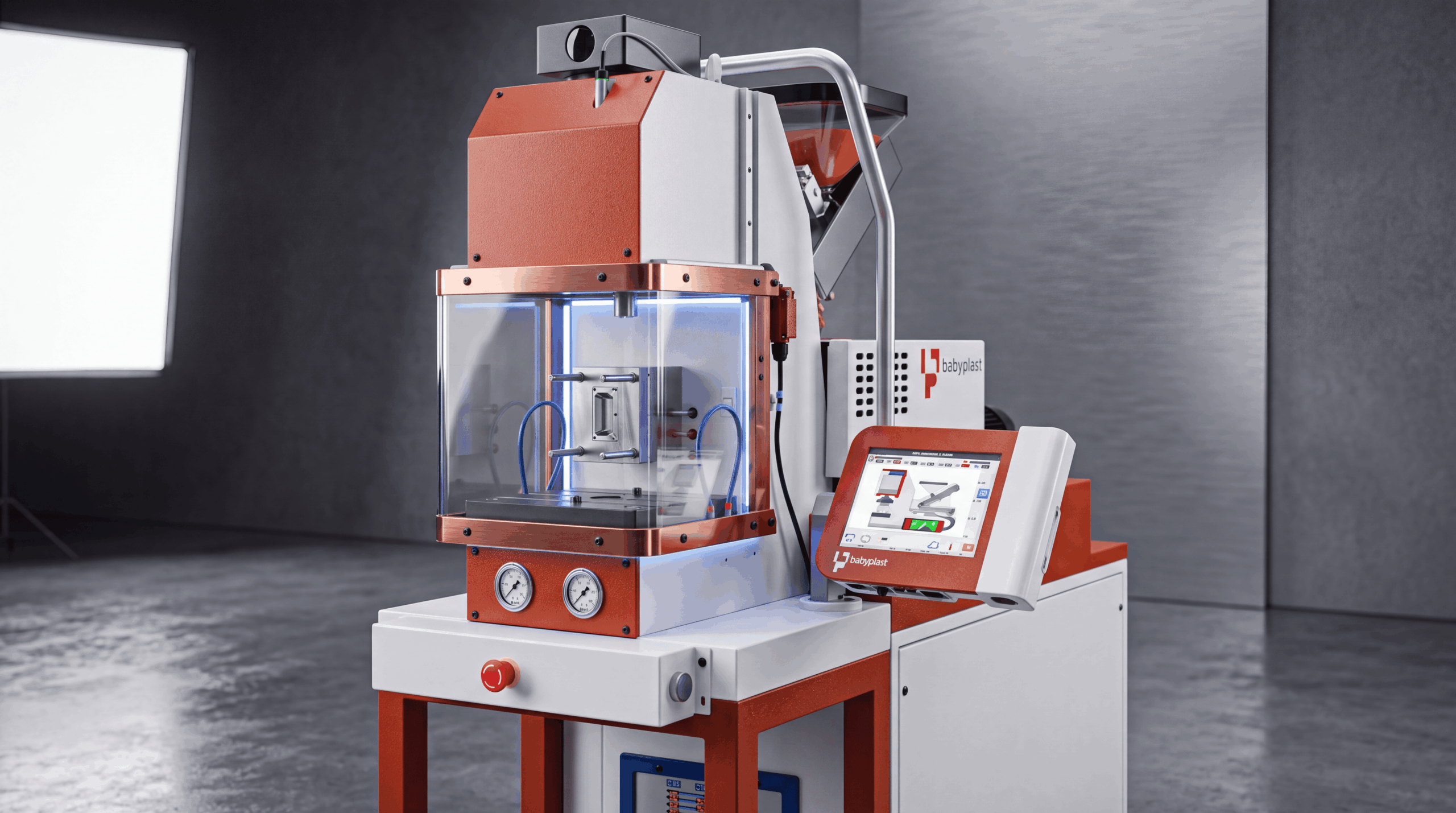
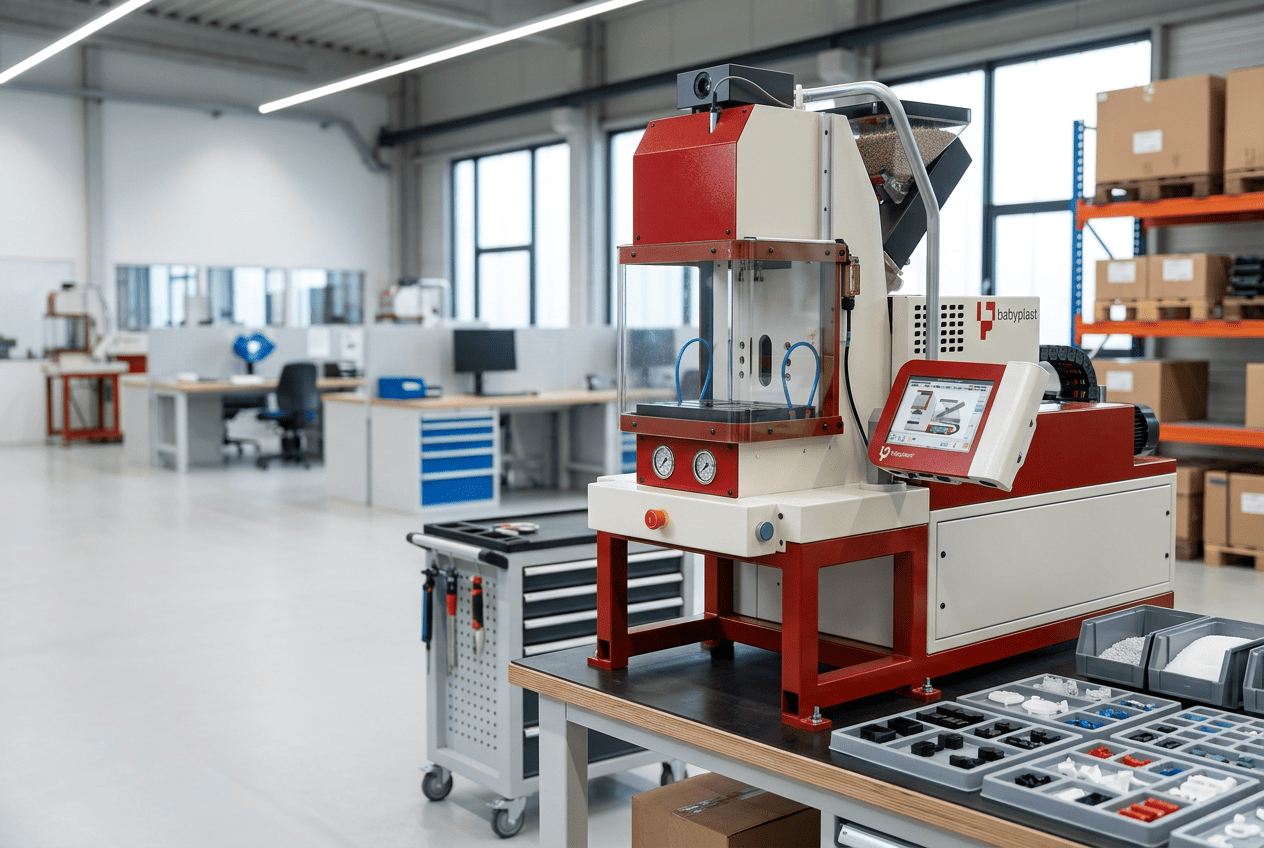
A vertical injection moulding machine clamps the mould in a vertical direction. The injection unit may be arranged vertically or positioned to inject from another direction, depending on the machine and tool design.
The lower mould half can provide a stable surface for loading metal contacts, threaded inserts, cables or pre-moulded components. Gravity helps the insert remain in place while the mould closes.
Horizontal vs Vertical Injection Moulding: What Are the Main Differences?
The principal difference between horizontal and vertical injection moulding machines is the direction in which the clamping unit operates. This can influence how components are loaded, supported, removed and handled throughout production.
Part Removal and Handling
Horizontal machines can allow finished parts to fall freely from the moulding area or be removed using robots and conveyors. Vertical machines can offer advantages where inserts need to be supported in the lower mould half before the tool closes.
Insert Loading
Vertical machines are often suitable for applications where metal contacts, cables, threaded inserts or other components must be positioned accurately before injection. The horizontal support provided by the lower mould half can make insert positioning easier.
Production Cell Configuration
Both machine layouts can be integrated into production cells. The most appropriate arrangement depends on the tooling, loading method, automation requirements and wider manufacturing process.
Why Choose a Horizontal Injection Moulding Machine?
A horizontal machine may be the preferred choice when:
- Parts can often fall freely from the moulding area.
- Standard robots and conveyors can be integrated easily.
- The process does not require manual or automated insert placement.
- The factory is already organised around horizontal moulding cells.
These considerations make horizontal injection moulding a practical option for conventional small-part production where insert positioning is not a central requirement.
Why Choose a Vertical Injection Moulding Machine?
A vertical machine may be the preferred choice when:
- Inserts need to be positioned accurately before closing.
- The operator requires clear access to the loading area.
- A rotary or shuttle arrangement is being considered to separate loading and moulding stations.
- The component contains cables, terminals or other items that are easier to support horizontally in the lower tool half.
For insert moulding applications, the vertical clamping arrangement can help support components during loading and before encapsulation.
What Else Should Be Considered When Choosing a Machine?
Review mould dimensions, injection position, clamping force, shot volume, guarding, operator access and part removal. Insert-loading time can determine the cycle, so a rotary table, V-table or automation may be more important than the basic clamp orientation.
Ergonomics and safety require particular attention where an operator loads inserts. The cell must prevent access to hazardous movement and confirm that inserts are correctly positioned before the cycle starts.
Matching the Injection Moulding Machine to the Application
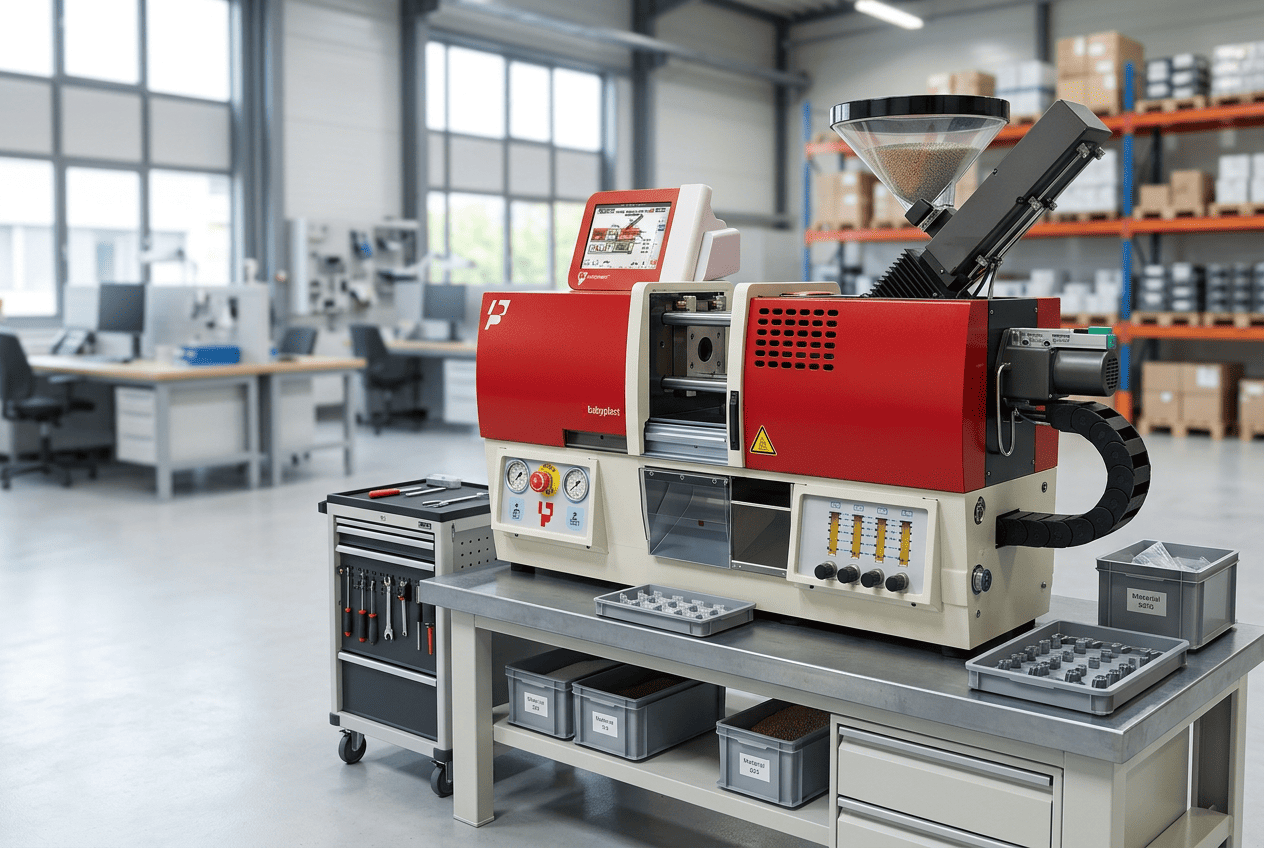
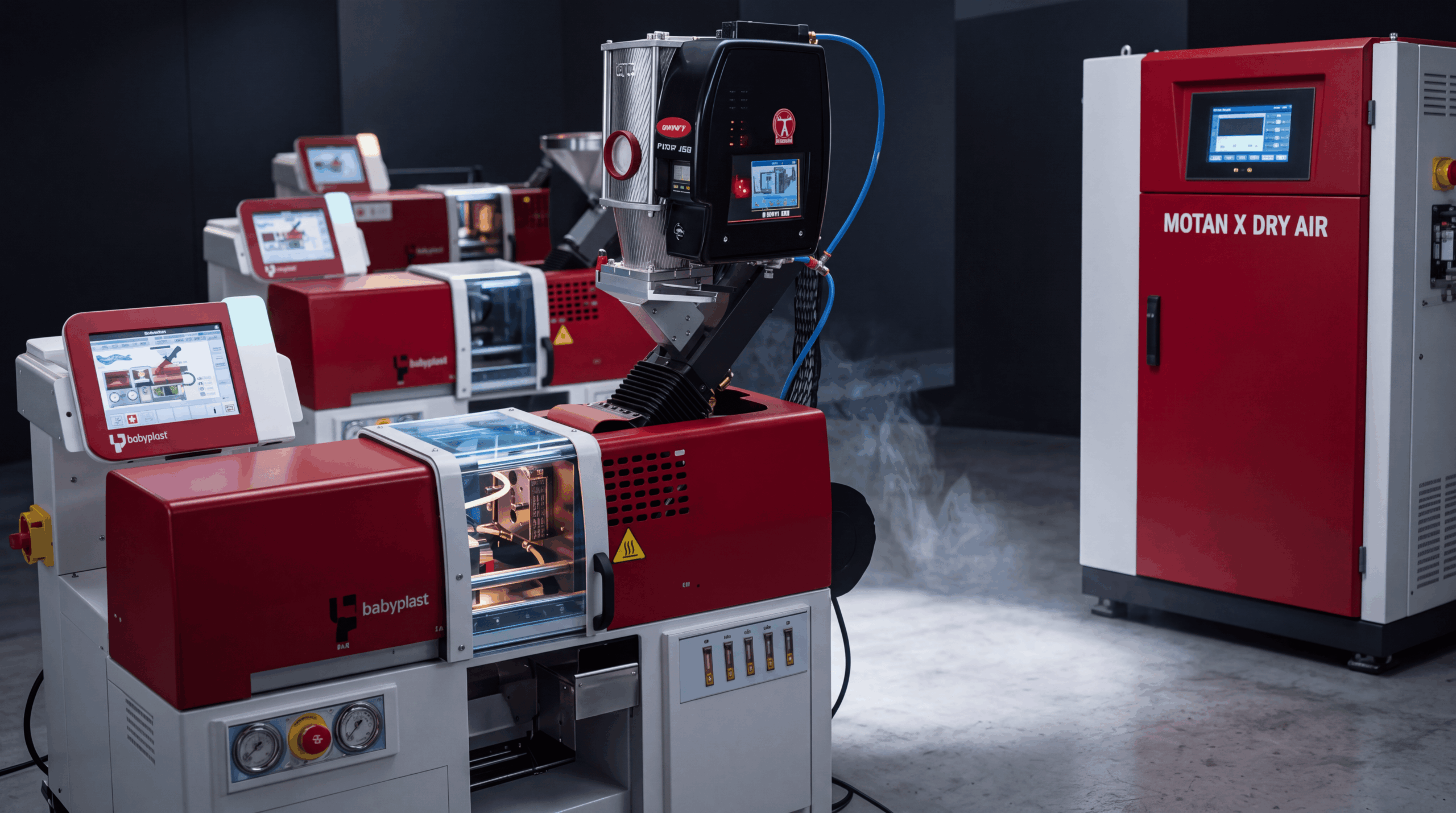
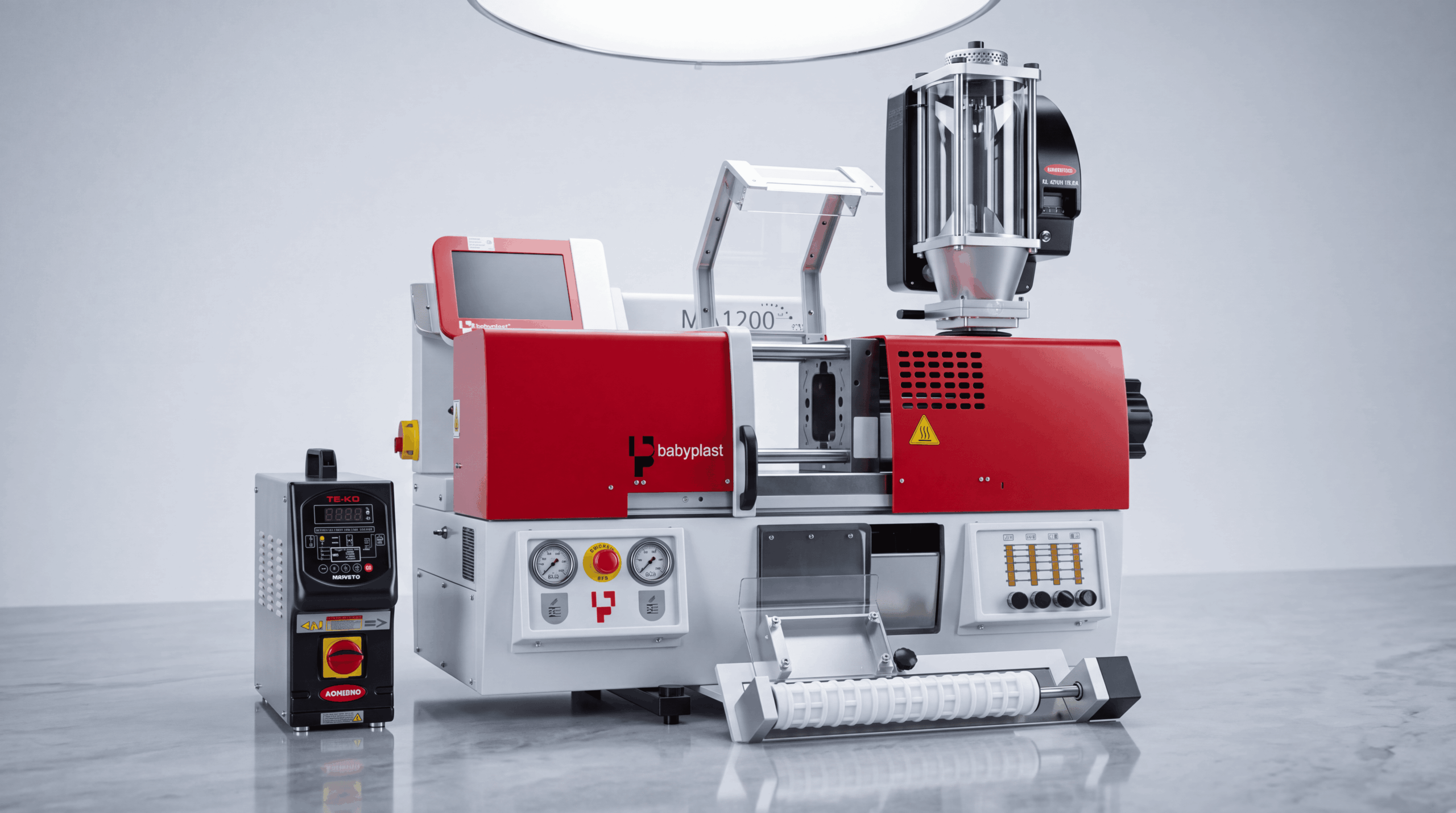
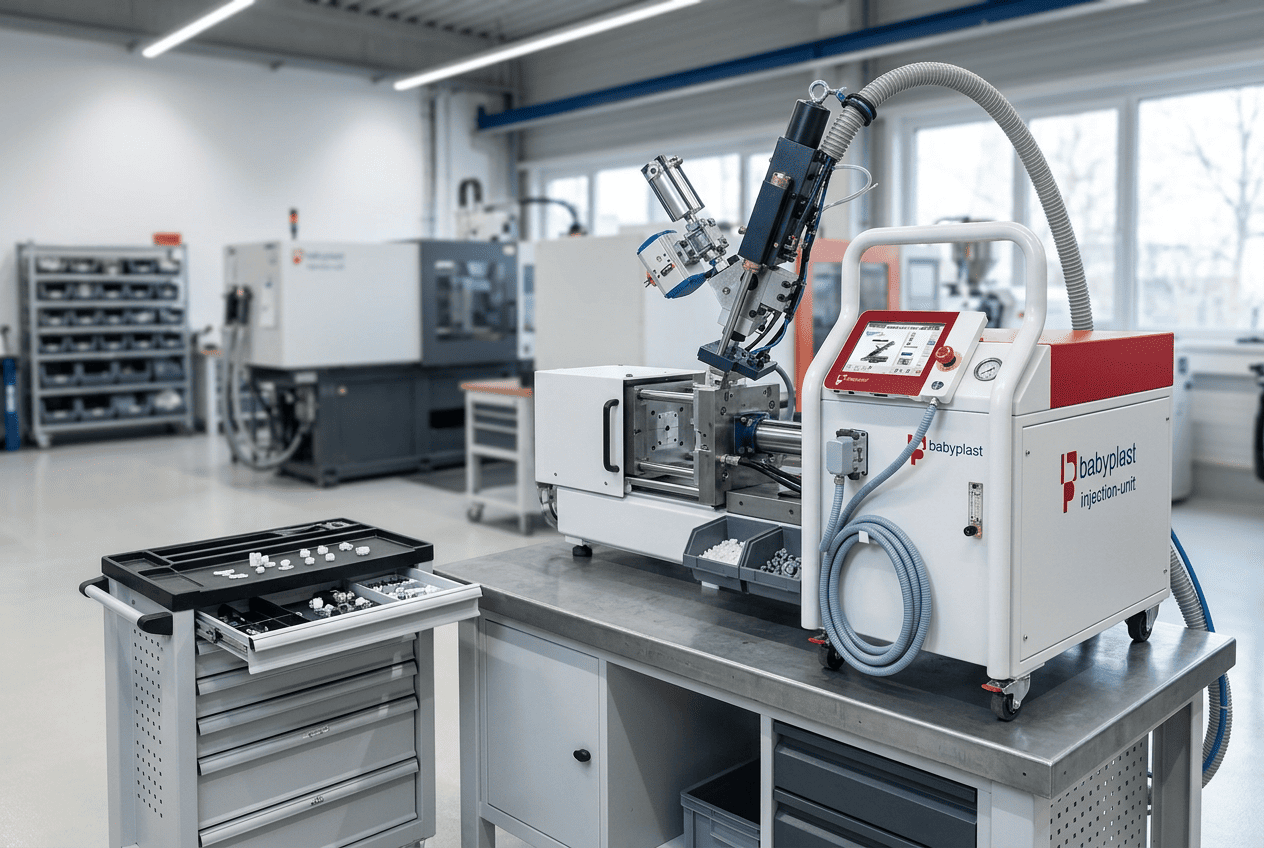
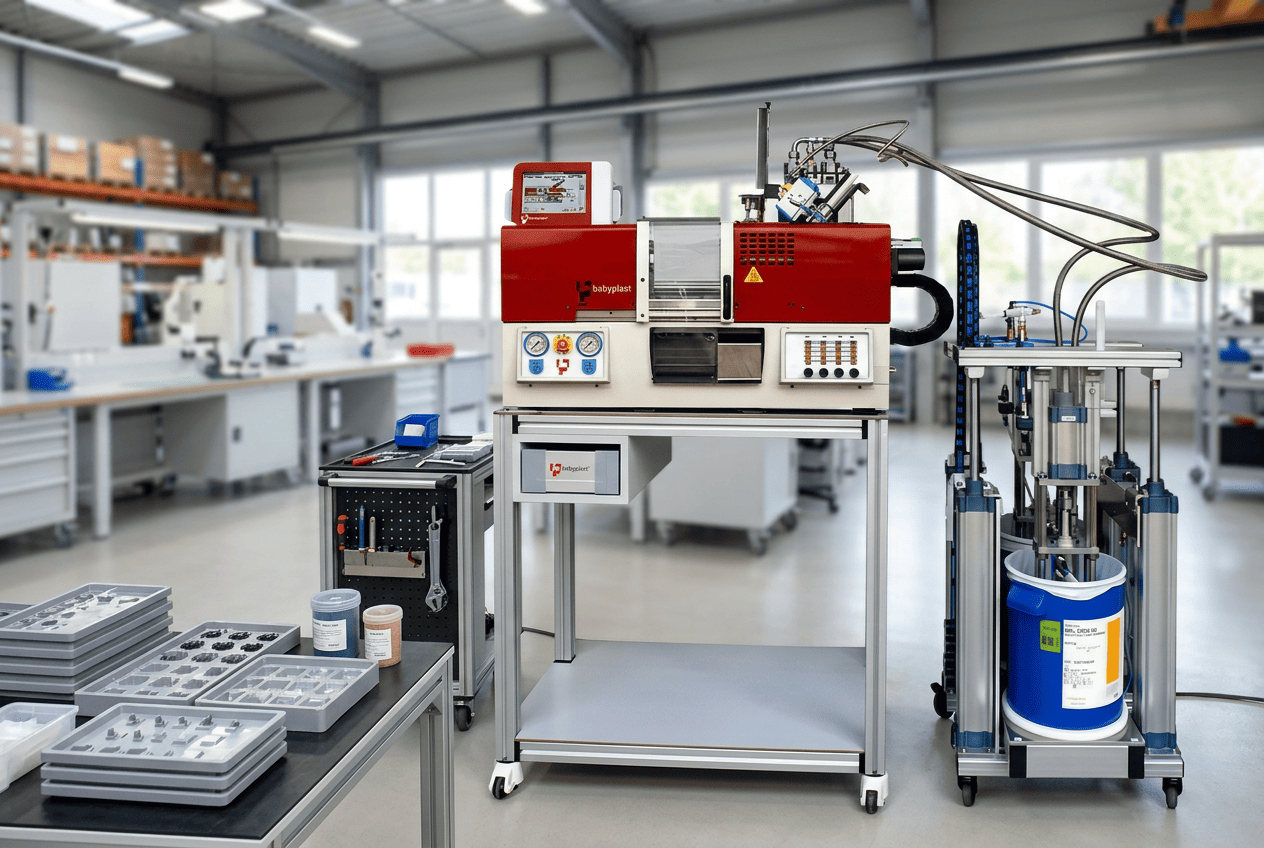
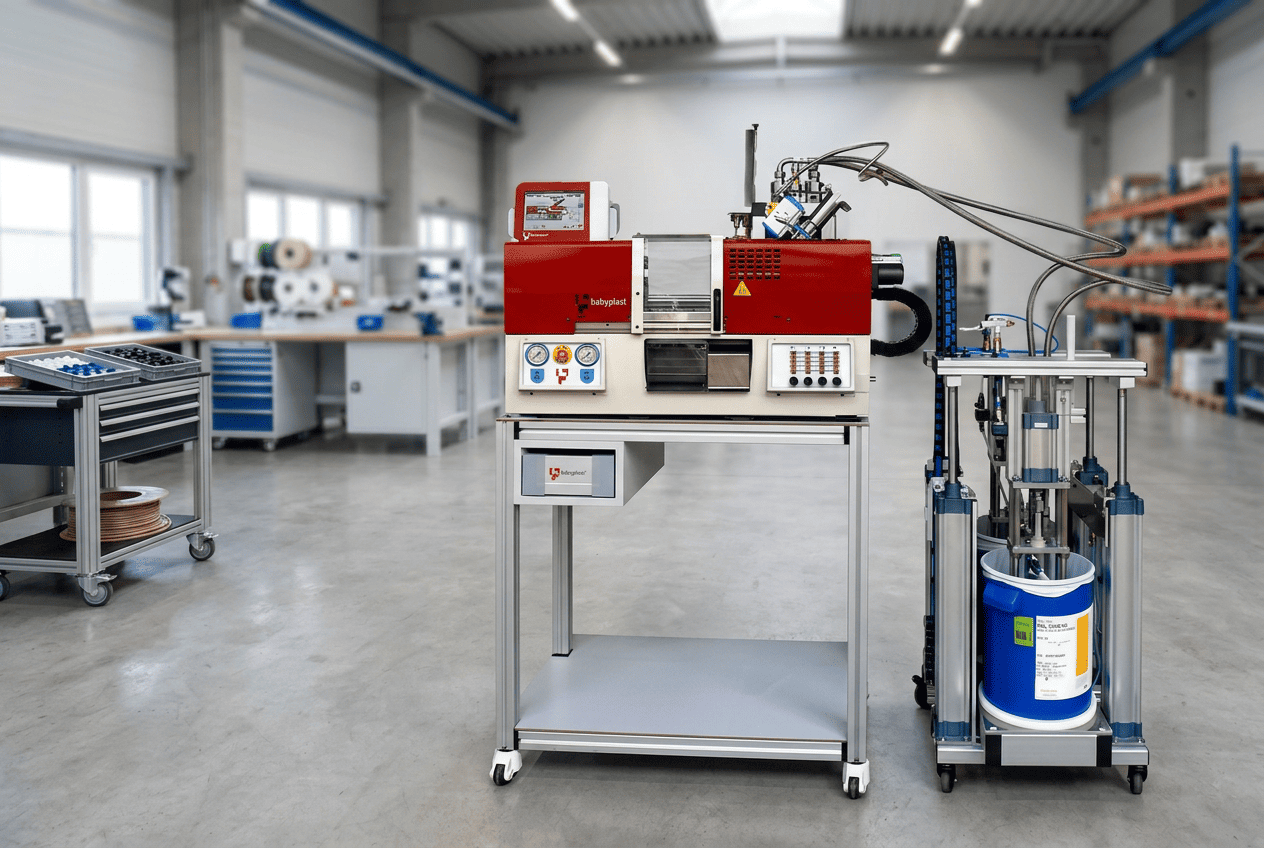
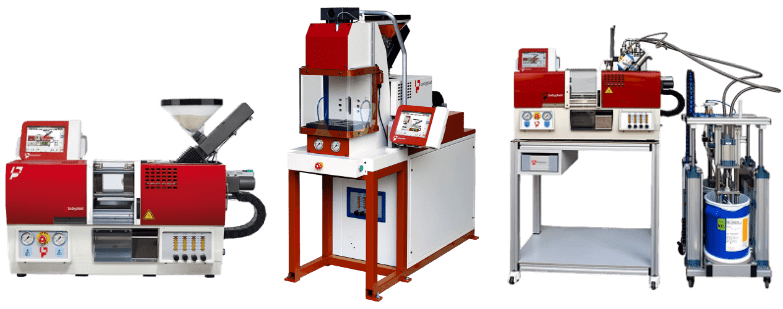
Babyplast UK offers compact horizontal 6- and 10-ton machines and the vertical 6/12V platform. The vertical model is available in different configurations, including options suited to insert-handling workflows.
The best decision should be based on the complete production sequence, not clamp direction alone.
Explore the Babyplast UK injection moulding machine range to compare the available platforms and configurations.