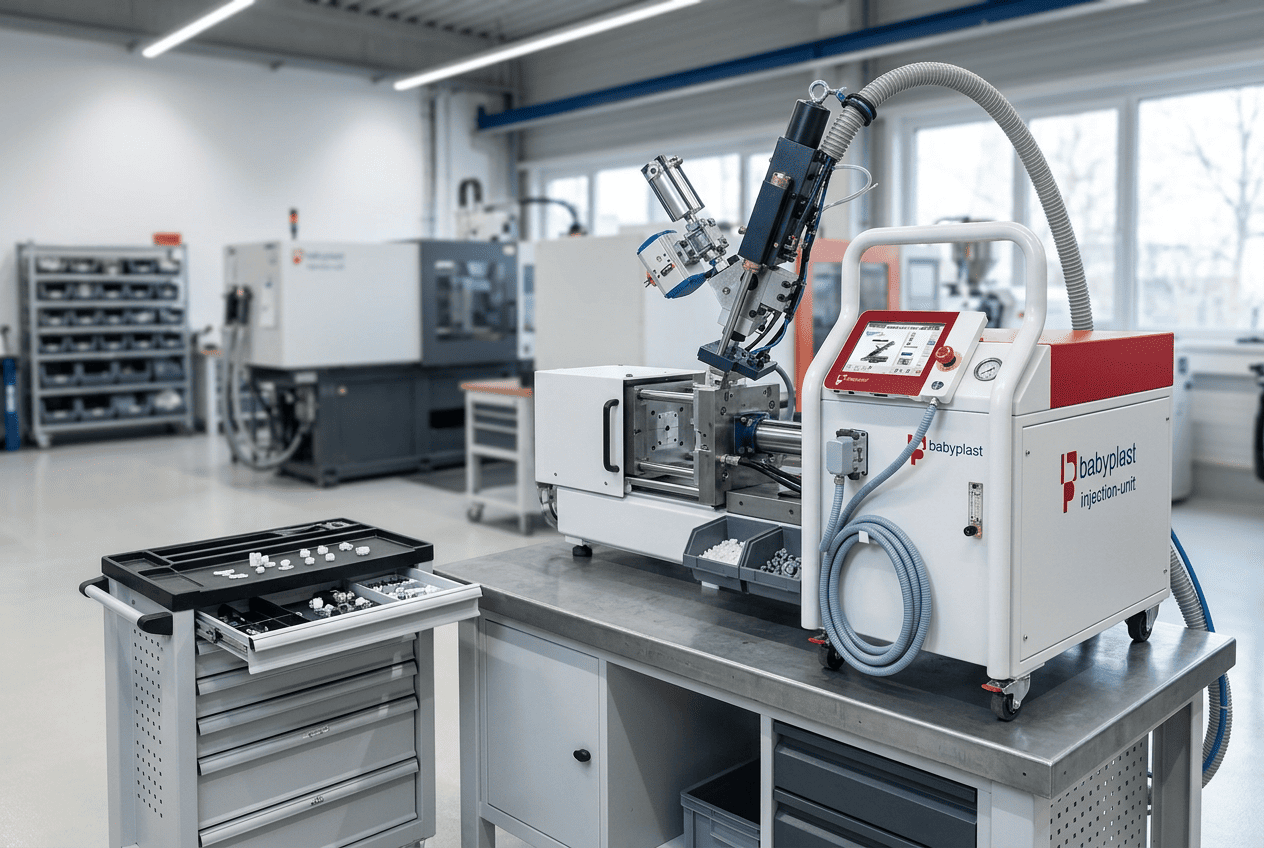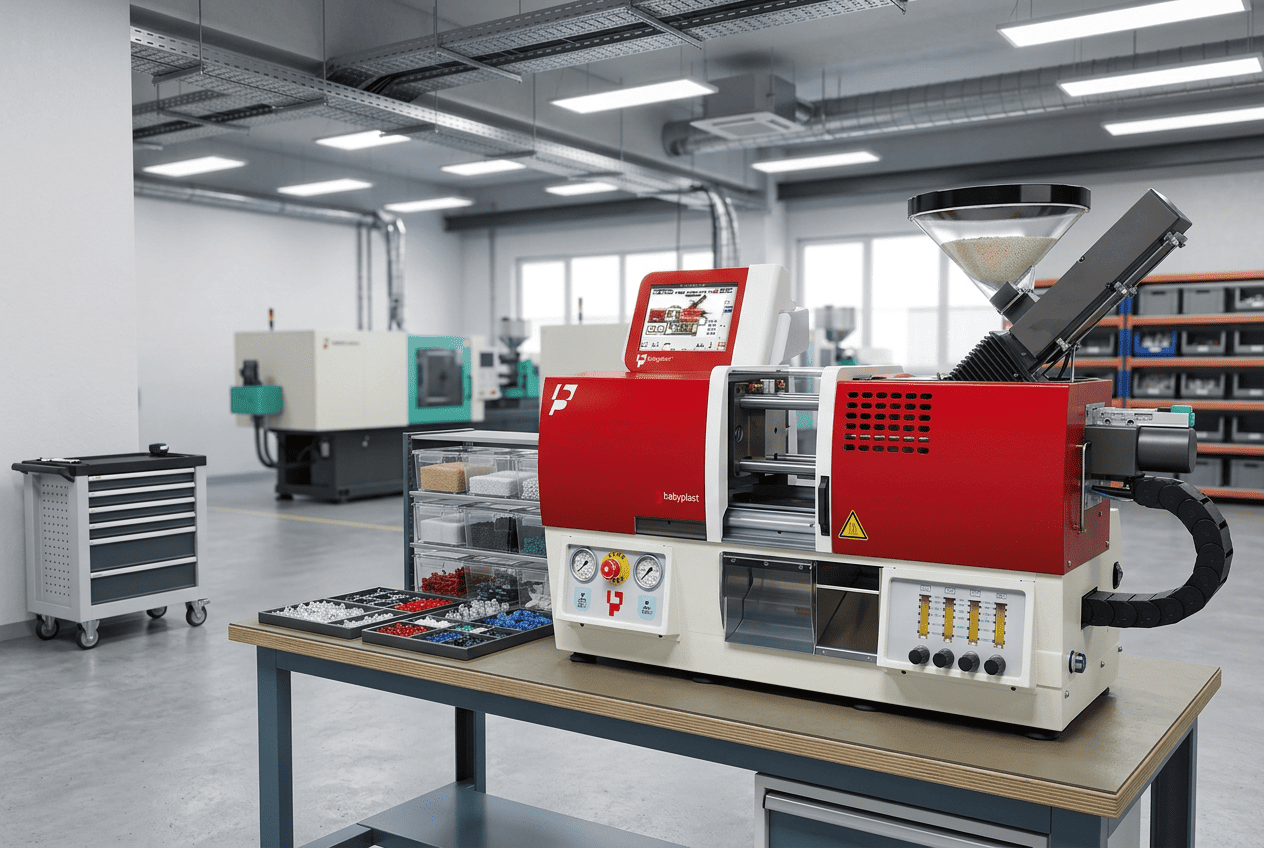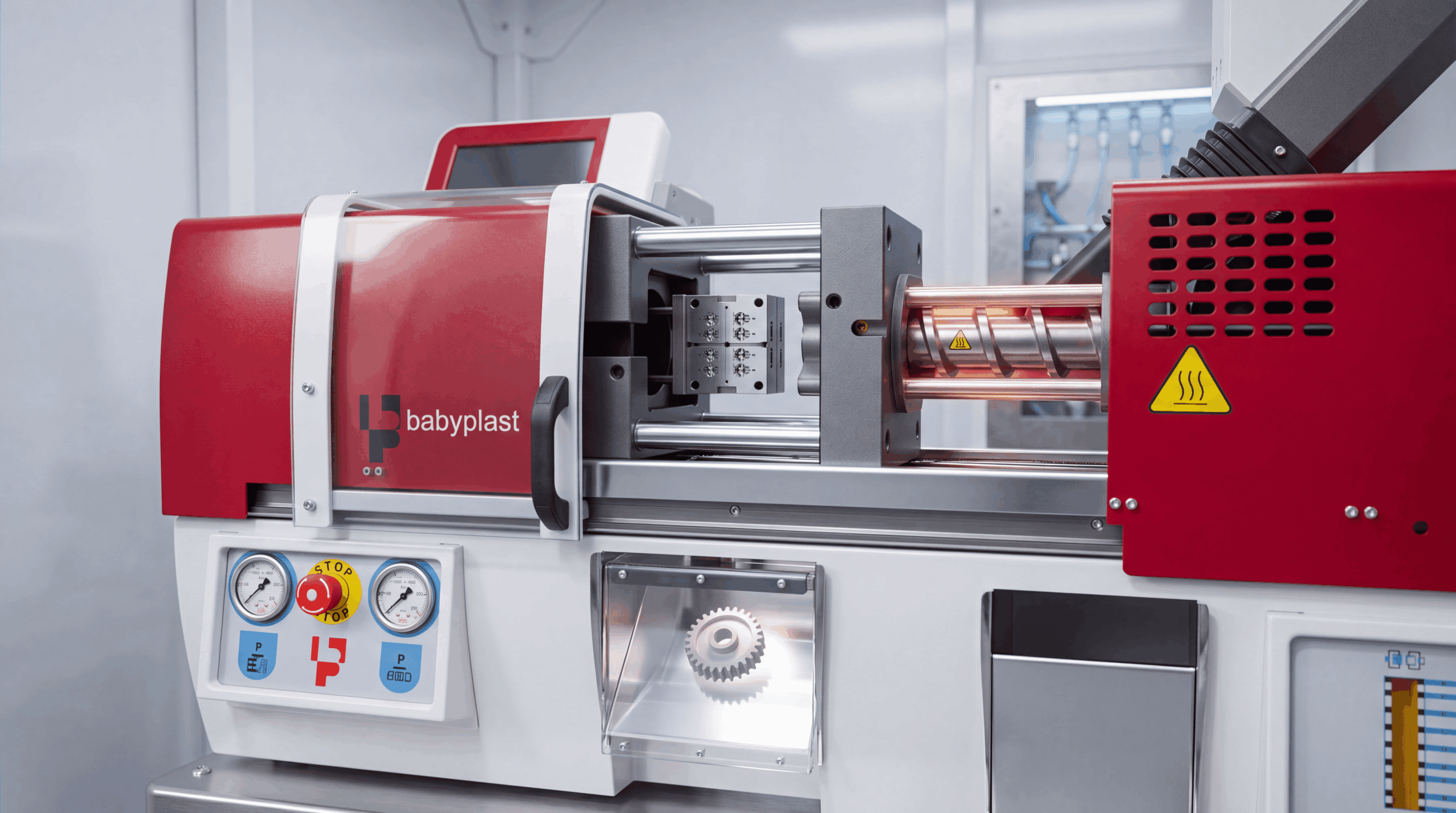
How plastic can be moulded around metal contacts, threads, cables and other pre-positioned components.
Many plastic components need a metal thread, electrical contact, magnet, cable or another functional item built into the finished part. Insert moulding combines these elements during the moulding cycle rather than assembling them afterwards.
What Is Insert Moulding?
Insert moulding is an injection moulding process in which a pre-manufactured item is placed inside the mould before plastic is injected. The molten polymer flows around selected areas of the insert and then cools, mechanically locking or bonding the materials together.
Common inserts include threaded bushes, pins, terminals, contacts, filters, tubes, magnets and electronic components. The insert must tolerate the temperature, pressure and handling involved in the process.
How Does Insert Moulding Work?
The insert moulding process combines a pre-manufactured component with an injected plastic material. Accurate insert positioning and suitable tool design are essential to producing a reliable finished component.
- Insert preparation: The insert is manufactured, cleaned and presented to the moulding cell.
- Insert positioning: An operator or automation places it into a locating feature in the open mould.
- Mould closing: The mould closes and confirms the production cycle can proceed.
- Plastic injection: Plastic is injected around the required section of the insert.
- Cooling and removal: The component cools and is removed as one integrated part.
- Quality inspection: The part is checked for insert position, coverage and moulding quality.
The specific moulding arrangement depends on the insert, polymer, component geometry and required production sequence.
What Are the Benefits of Insert Moulding?
Insert moulding can combine different materials and functional elements within one manufacturing operation. Depending on the application, the process can offer several benefits.
- Reduced assembly: Reduce separate assembly operations and component handling.
- Integrated construction: Create a strong, compact interface between plastic and another material.
- Improved repeatability: Improve repeatability compared with manual post-mould assembly.
- Electrical protection: Protect or insulate selected areas of electrical components.
- Functional features: Incorporate durable threads or wear-resistant features into a plastic part.
These benefits depend on the component design, material selection and the ability to position and encapsulate inserts consistently.
Why Are Vertical Injection Moulding Machines Commonly Used?
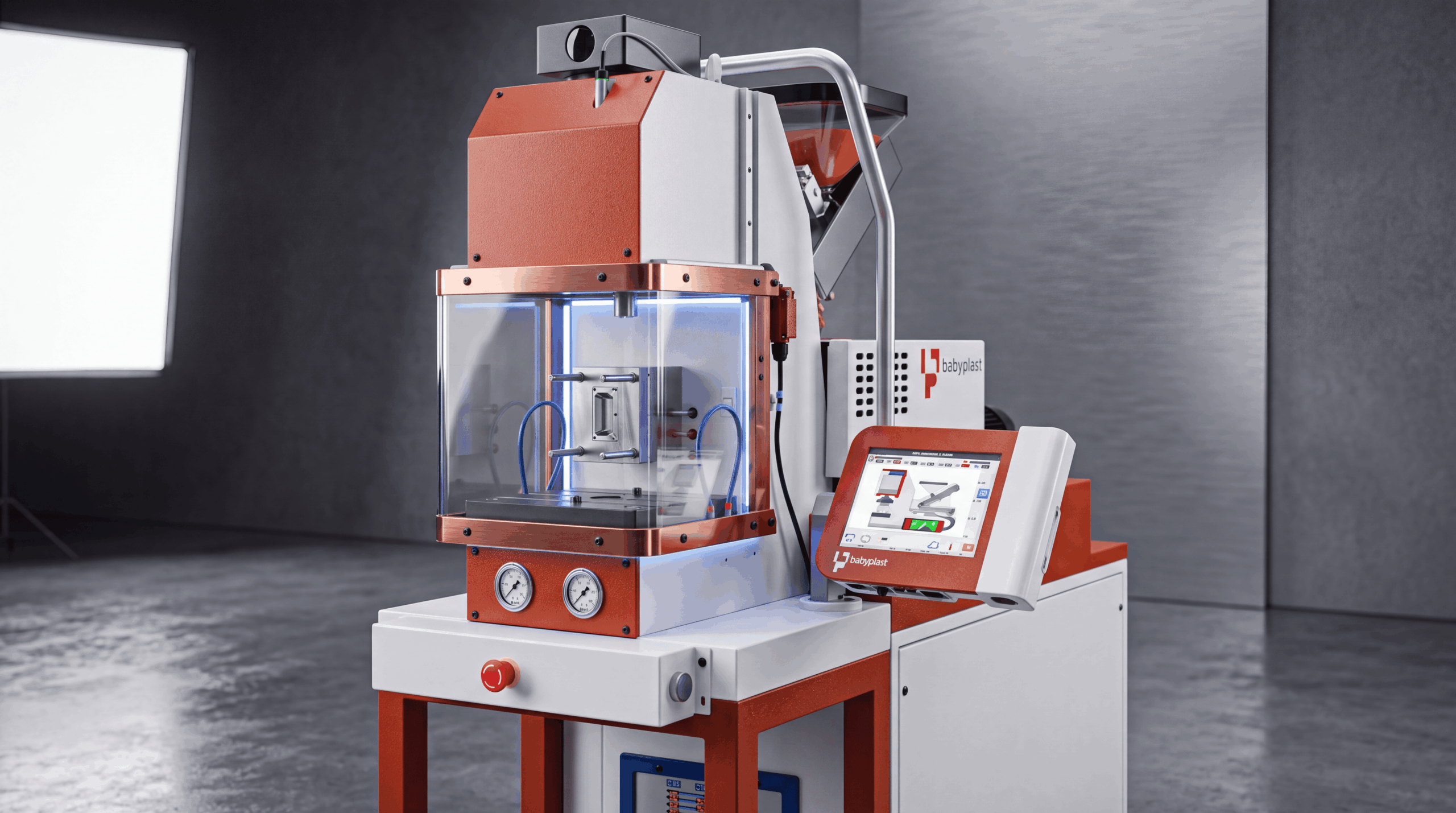
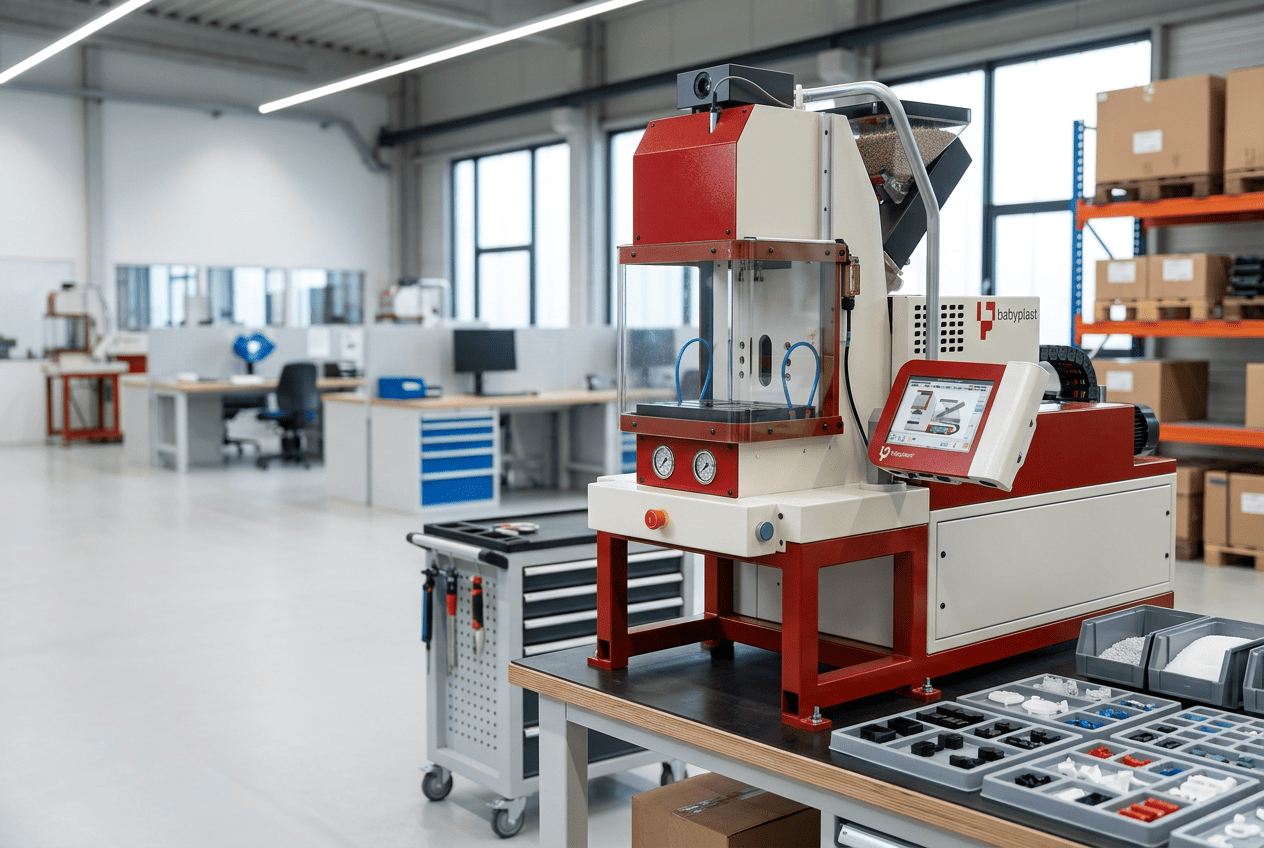
A vertical clamp allows the insert to rest in the lower mould half while the tool closes. This can make manual loading easier and reduce movement before encapsulation.
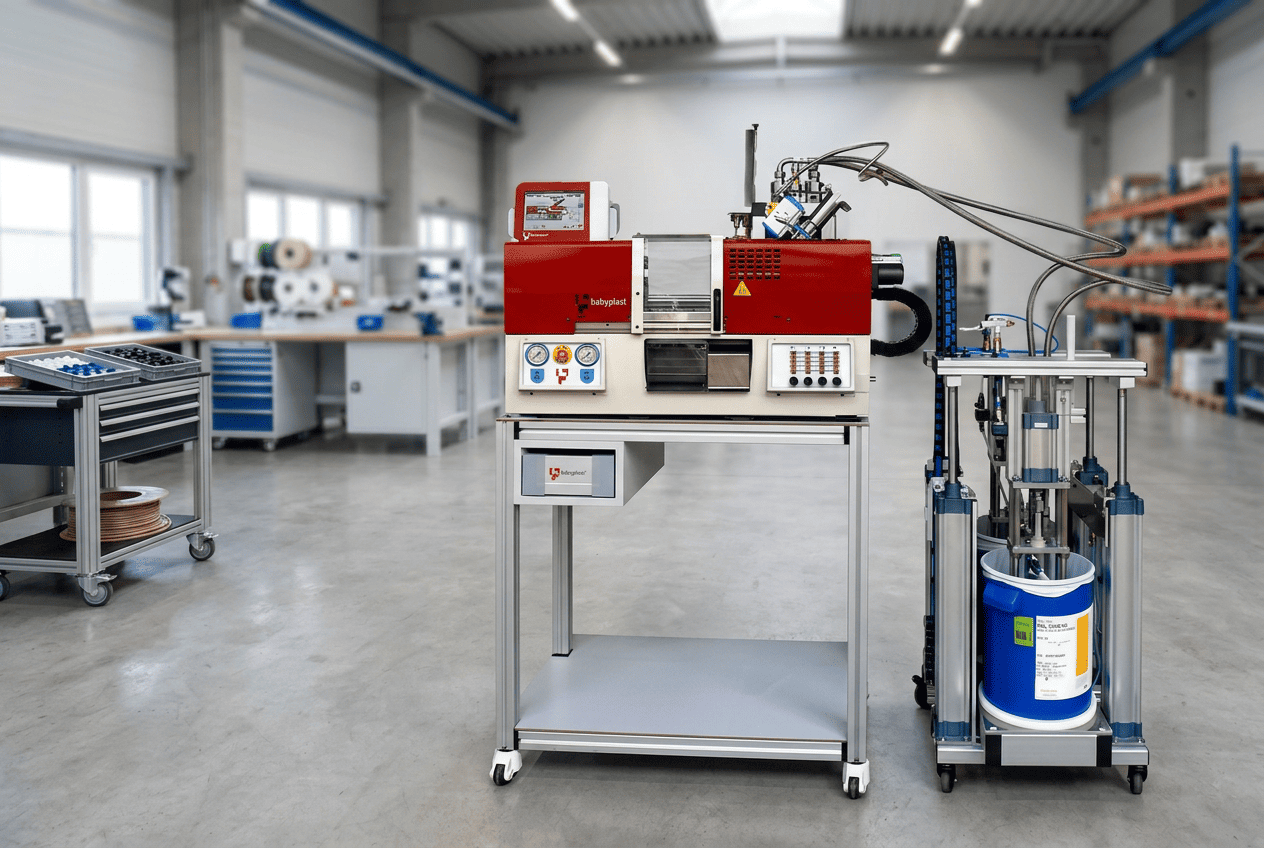
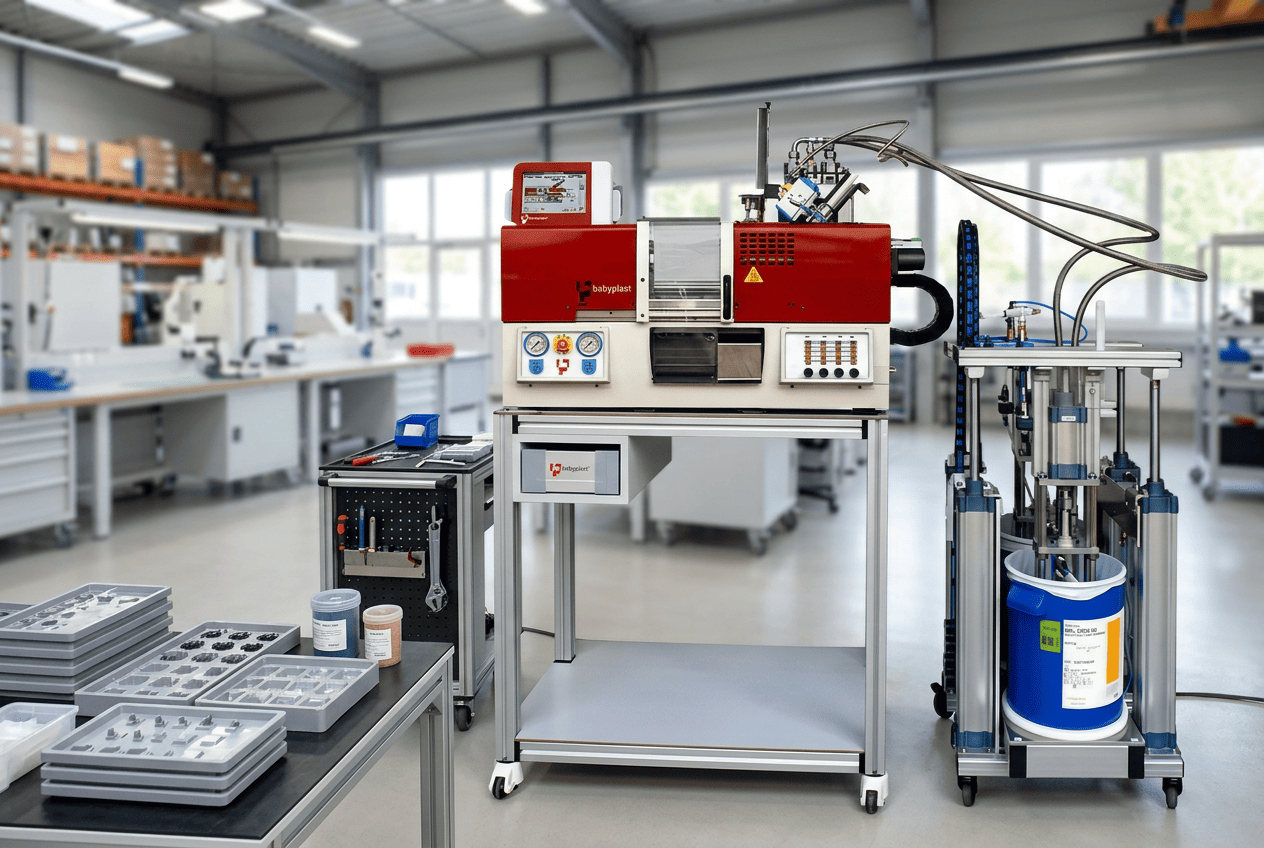
Rotary or shuttle arrangements can allow one station to be loaded while another is moulding.
For applications involving metal terminals, electrical contacts, threaded components or other small inserts, the vertical configuration can provide a practical approach to positioning and handling.
Important Design Considerations for Insert Moulding
A successful insert moulding process requires more than selecting an appropriate injection moulding machine. The insert, tool, material and handling method must work together.
Insert Positioning and Tool Design
The insert must be located securely without being damaged by the mould. Venting and gating should allow plastic to fill around it without creating voids or excessive movement.
The design should also manage differences in thermal expansion and avoid sharp features that concentrate stress.
Surface Condition and Material Compatibility
Surface condition affects adhesion and cleanliness. Oil, plating residues or inconsistent insert dimensions can cause variable results.
The insert must also withstand the temperatures and pressures involved in the moulding process.
Process Control and Quality Inspection
Detection sensors, camera checks or poka-yoke features may be justified where a missing or reversed insert would create scrap or tool damage.
Checking insert positioning, coverage and moulding quality helps confirm that the finished component meets its intended requirements.
Developing a Reliable Insert Moulding Production Cell
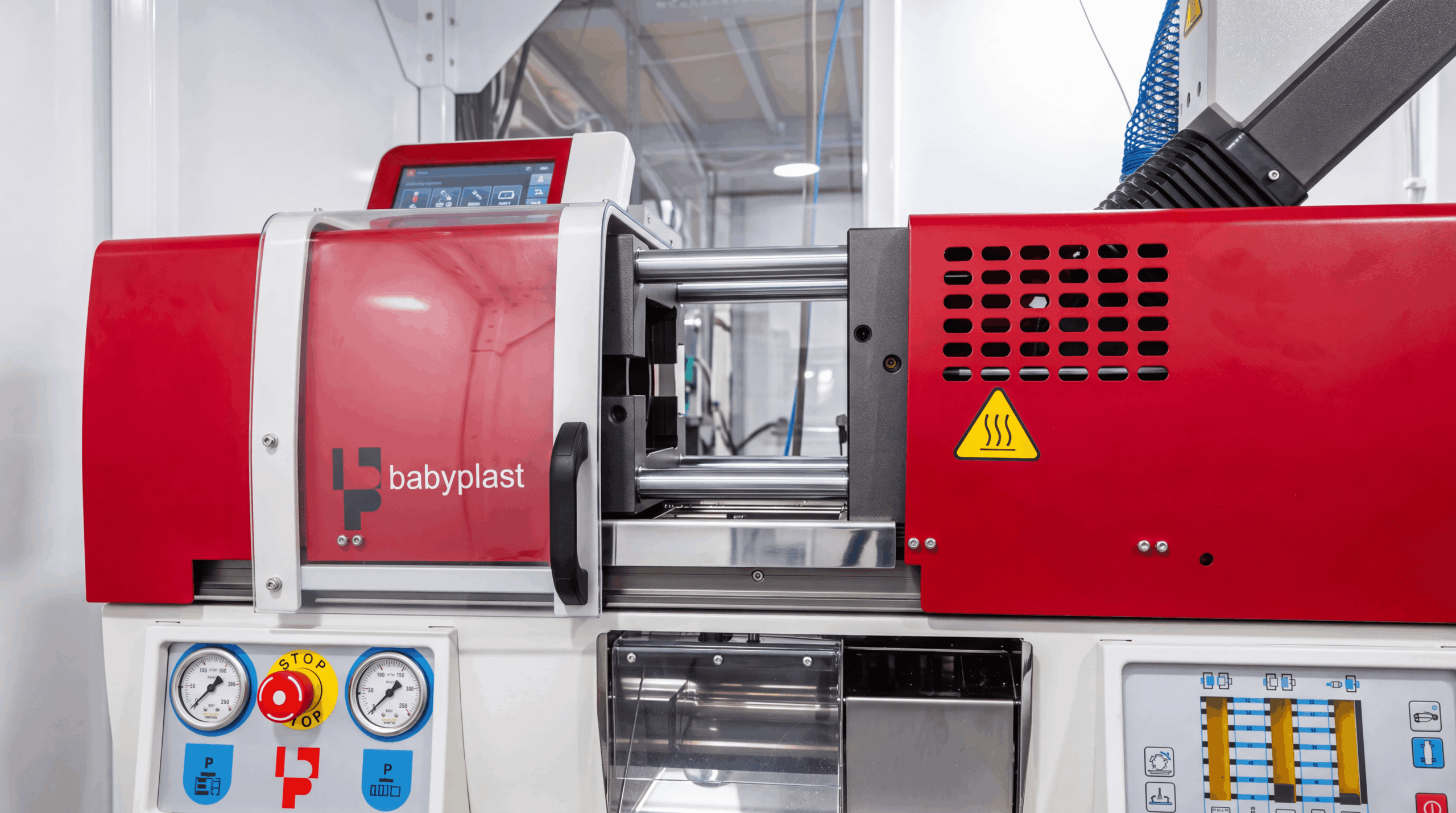
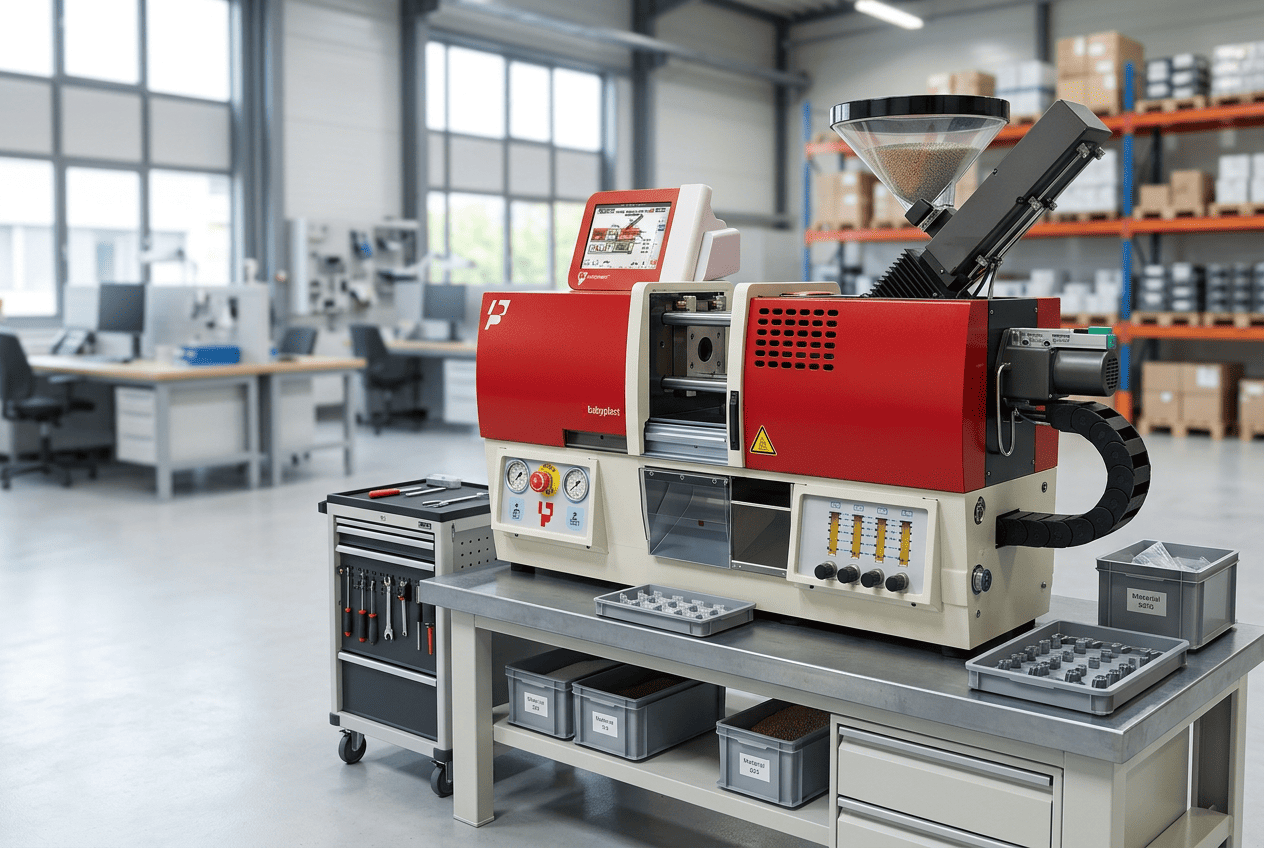
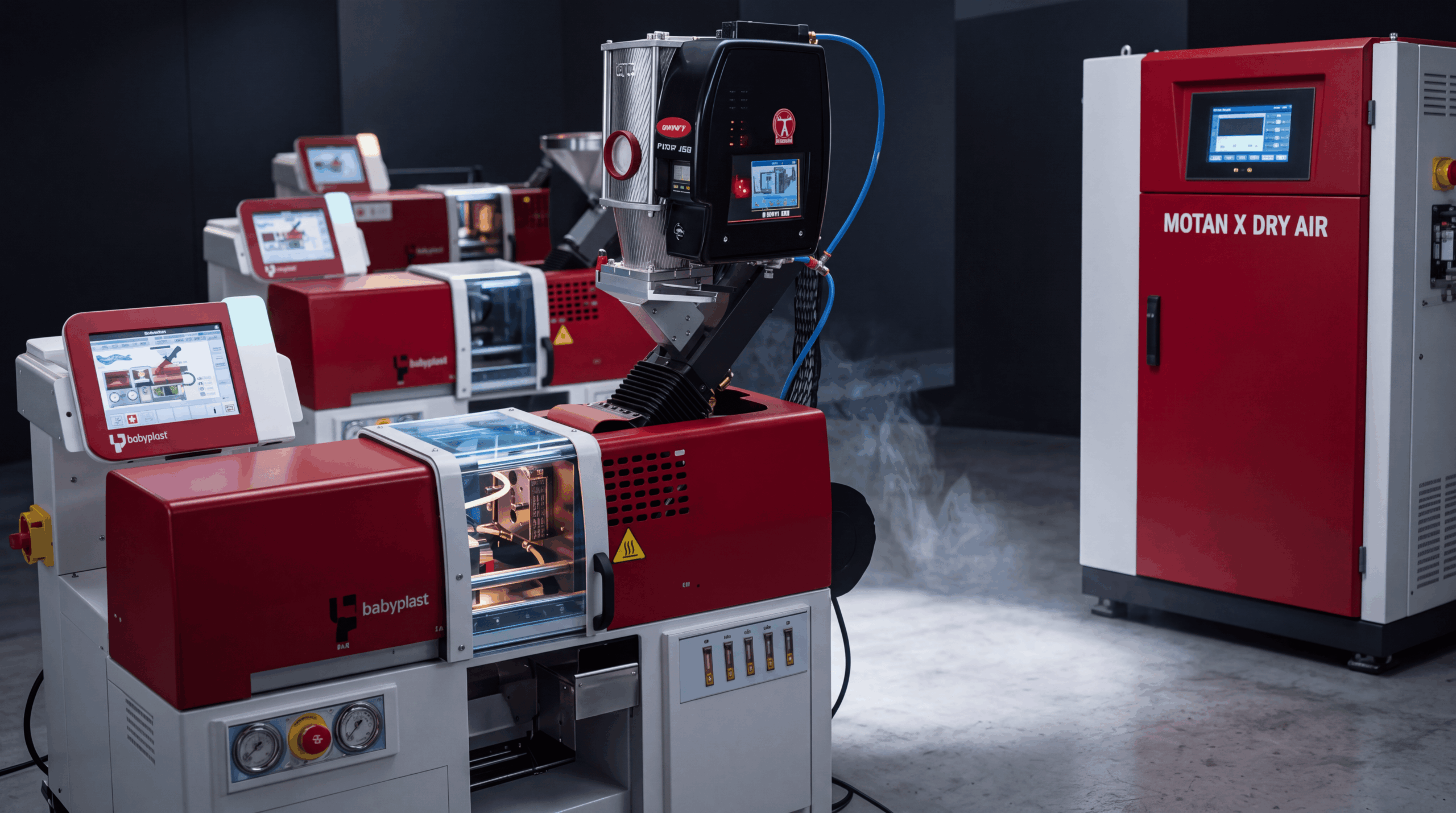
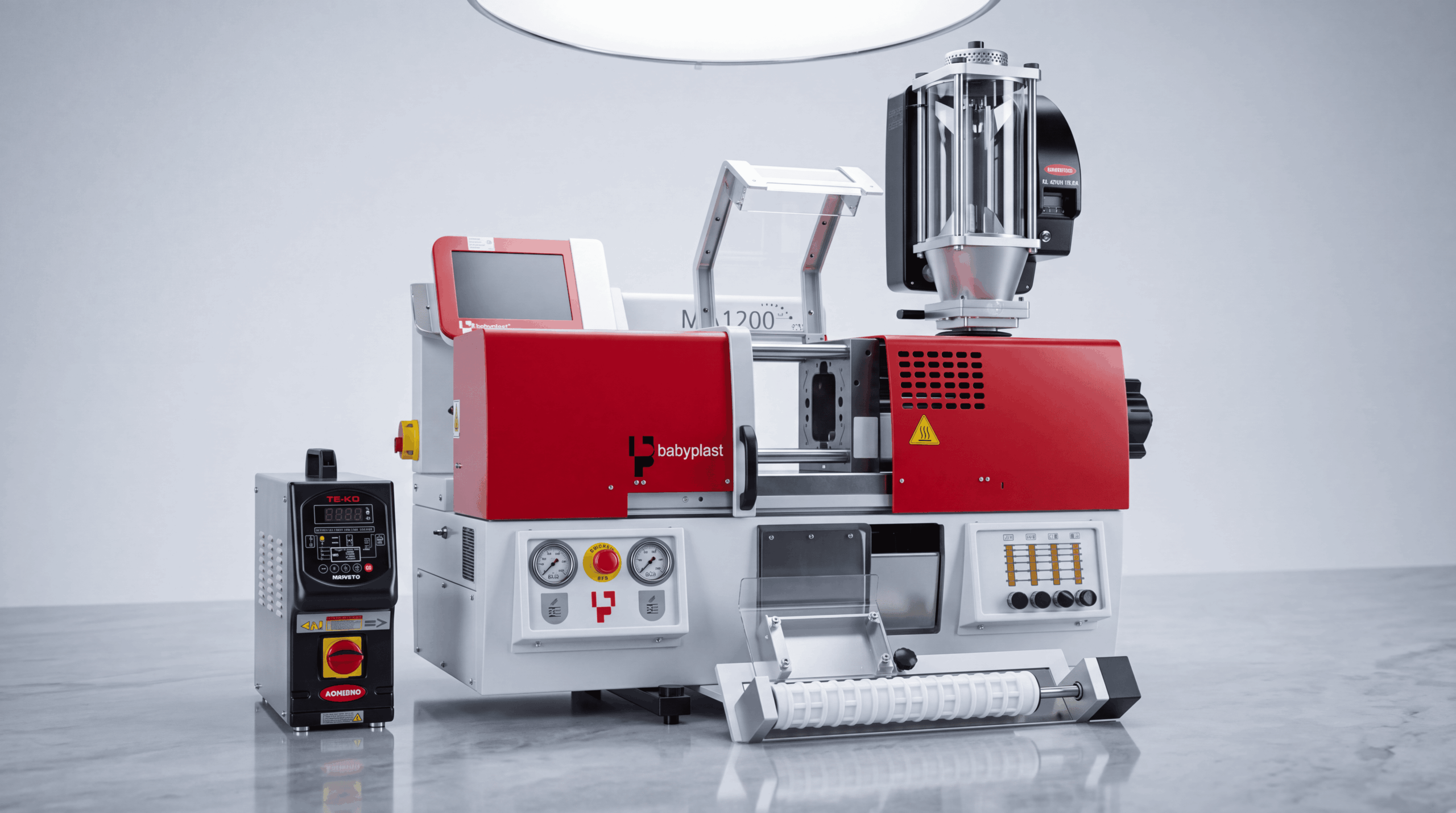
Babyplast’s compact vertical 6/12V is designed for precision small-part production and can be configured around different loading arrangements.
Babyplast UK can review the insert, polymer, tool concept and handling method, then support a production trial before the final process is committed.
Explore the Babyplast 6/12V vertical injection moulding machine to learn more about the available platform.