How a second material can add grip, sealing, protection or another function to a moulded component.
A rigid component may need a soft grip, a seal, an insulated surface or a protective outer layer. Overmoulding creates these features by moulding one material over another substrate or previously manufactured part.
What Is Overmoulding?
Overmoulding is a manufacturing process in which an additional material is moulded onto or around an existing component. The substrate may be a plastic first shot, a metal insert or another item capable of withstanding the second moulding cycle.
The result is a single component with more than one material or function. Examples include soft-touch grips, seals, strain reliefs, protective covers and colour-contrasting features.
By combining materials within one component, overmoulding can provide different properties in selected areas without relying entirely on separate assembly operations.
How Does the Overmoulding Process Work?
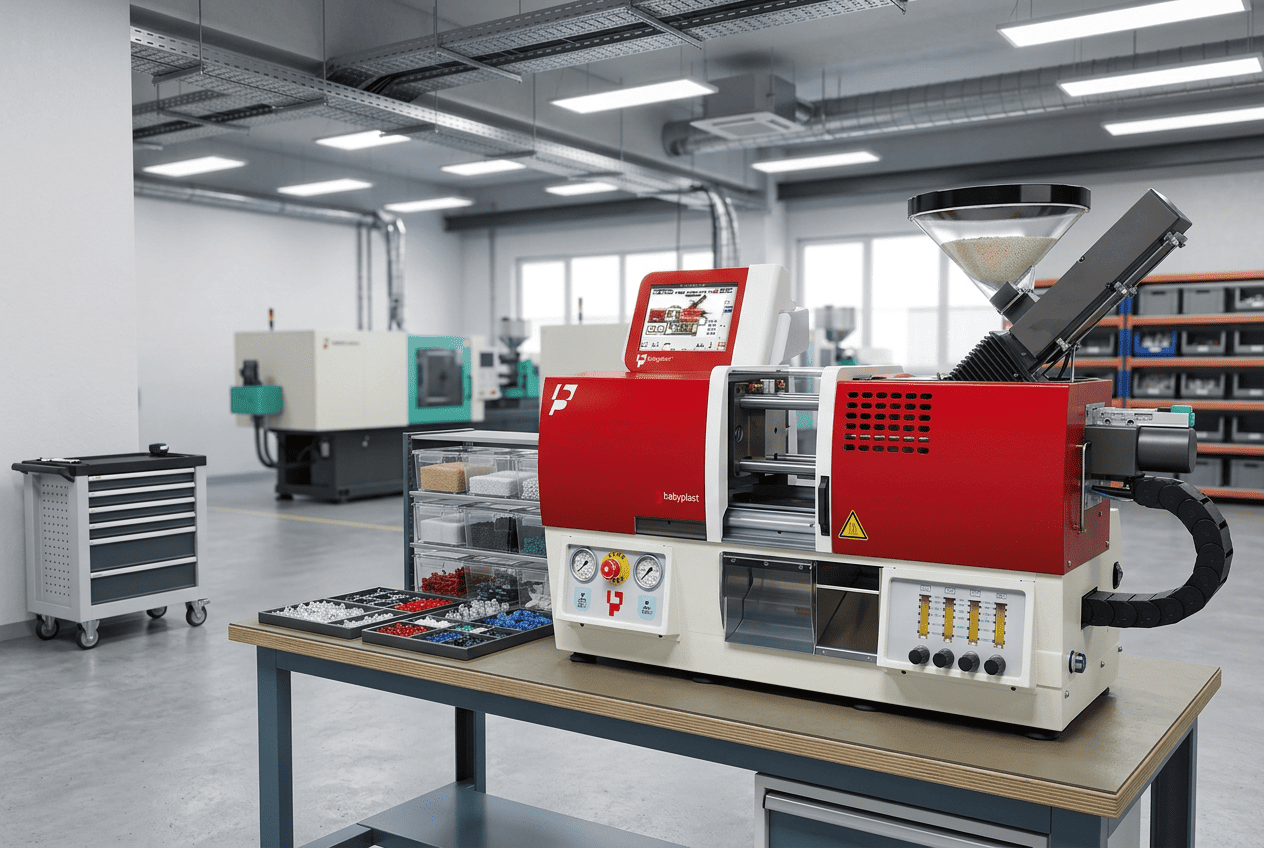
Overmoulding can be carried out as a two-stage manufacturing process or through an integrated multi-shot injection moulding arrangement.
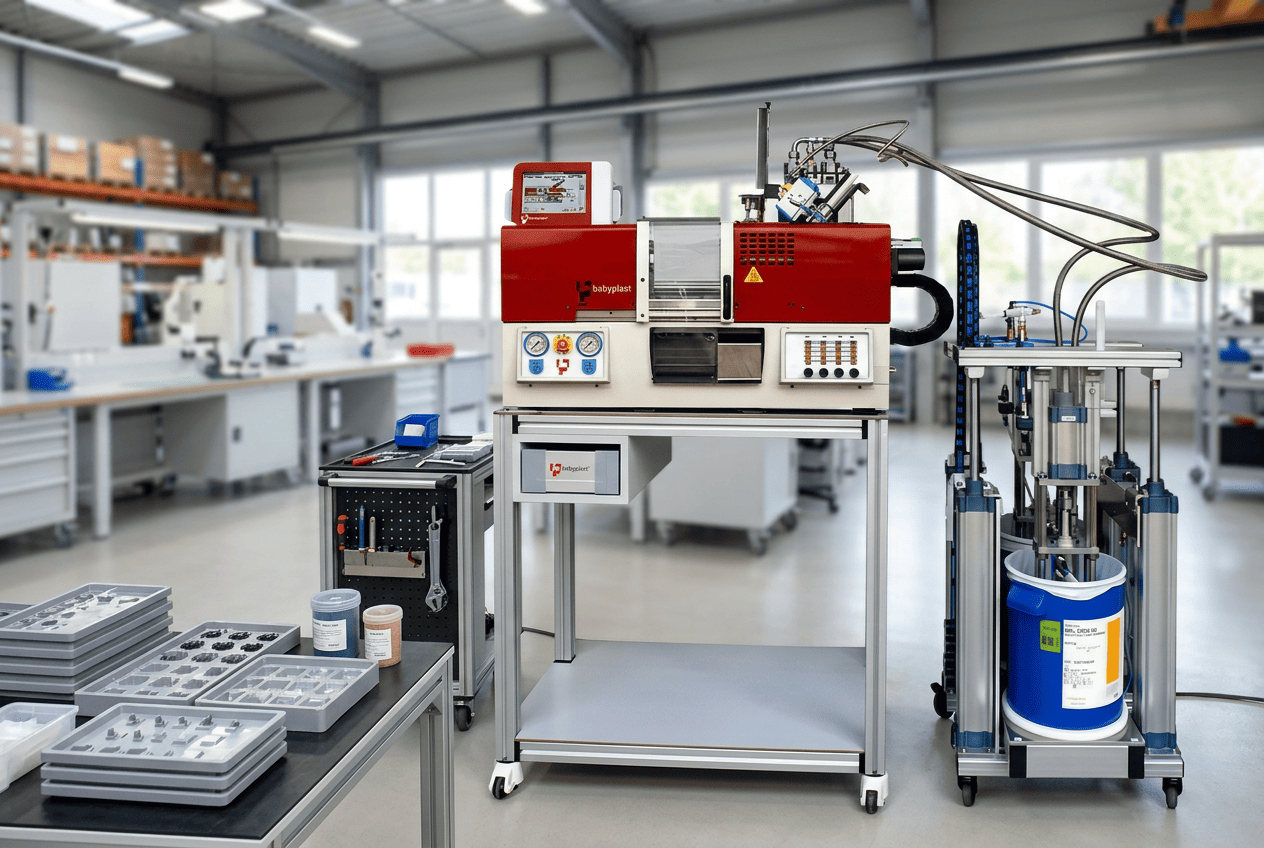
In a two-stage process, the first component is moulded or manufactured separately, transferred to another tool and overmoulded. In an integrated multi-shot process, two injection units supply different materials within the same automated cell and tool arrangement.
The Main Stages of Overmoulding
- Prepare the substrate: Produce or prepare the original component that will receive the additional material.
- Position the component: Place the substrate accurately in the overmoulding cavity.
- Inject the second material: Close the tool and inject the additional material onto or around the substrate.
- Cooling or curing: Allow the combined component to cool or cure according to the materials and process being used.
- Remove and inspect: Remove the finished part and inspect it for adhesion, coverage and appearance.
The exact tooling and injection sequence depends on the component geometry, material combination and production requirements.
What Are the Benefits of Overmoulding?
Overmoulding can combine different material properties within a single finished component. Depending on the application, this can offer several manufacturing and functional benefits.
- Combine material properties: Incorporate rigid and flexible properties within one component.
- Reduce assembly operations: Reduce the need for adhesives, mechanical fixings and manual assembly.
- Add functional features: Introduce sealing, cushioning or electrical insulation.
- Improve product features: Add grip, improve appearance or provide colour-based product identification.
- Protect components: Provide protection for delicate features during handling or exposure to the operating environment.
The advantages depend on the intended application and whether the selected materials and tooling can produce a reliable finished component.
Why Is Material Compatibility Important in Overmoulding?
Not every pair of materials will bond during overmoulding. Material compatibility is therefore an important consideration when developing a component that combines different polymers or elastomers.
Adhesion depends on several factors, including:
- Polymer chemistry and the compatibility of the selected materials.
- The surface condition of the original component.
- The temperature of the first shot or substrate.
- The temperature of the second injected material.
- The mould and component design.
Chemical Bonding and Mechanical Interlocks
Where chemical bonding is limited, the component can use holes, undercuts or other mechanical interlocks to help retain the overmoulded material.
The most appropriate approach depends on the materials and the functional requirements of the finished part.
Managing Temperature and Component Deformation
The first component must resist deformation during the second injection stage. Processing temperatures and tooling must therefore be considered together.
Trials are valuable because apparently similar material grades can behave differently in a real moulding tool.
Overmoulding vs Insert Moulding: What Is the Difference?
Overmoulding and insert moulding are related manufacturing processes, but they are commonly used to describe different approaches to combining materials.
Insert moulding generally describes plastic being moulded around a separate non-plastic or pre-manufactured item.
Overmoulding often refers to adding a second polymer or elastomer onto an existing substrate.
The processes overlap, and both depend on reliable component placement and tooling designed around the complete finished part.
For more information about incorporating pre-manufactured components into plastic mouldings, explore our guide to insert moulding and how the process works.
Using a Secondary Injection Unit for Overmoulding
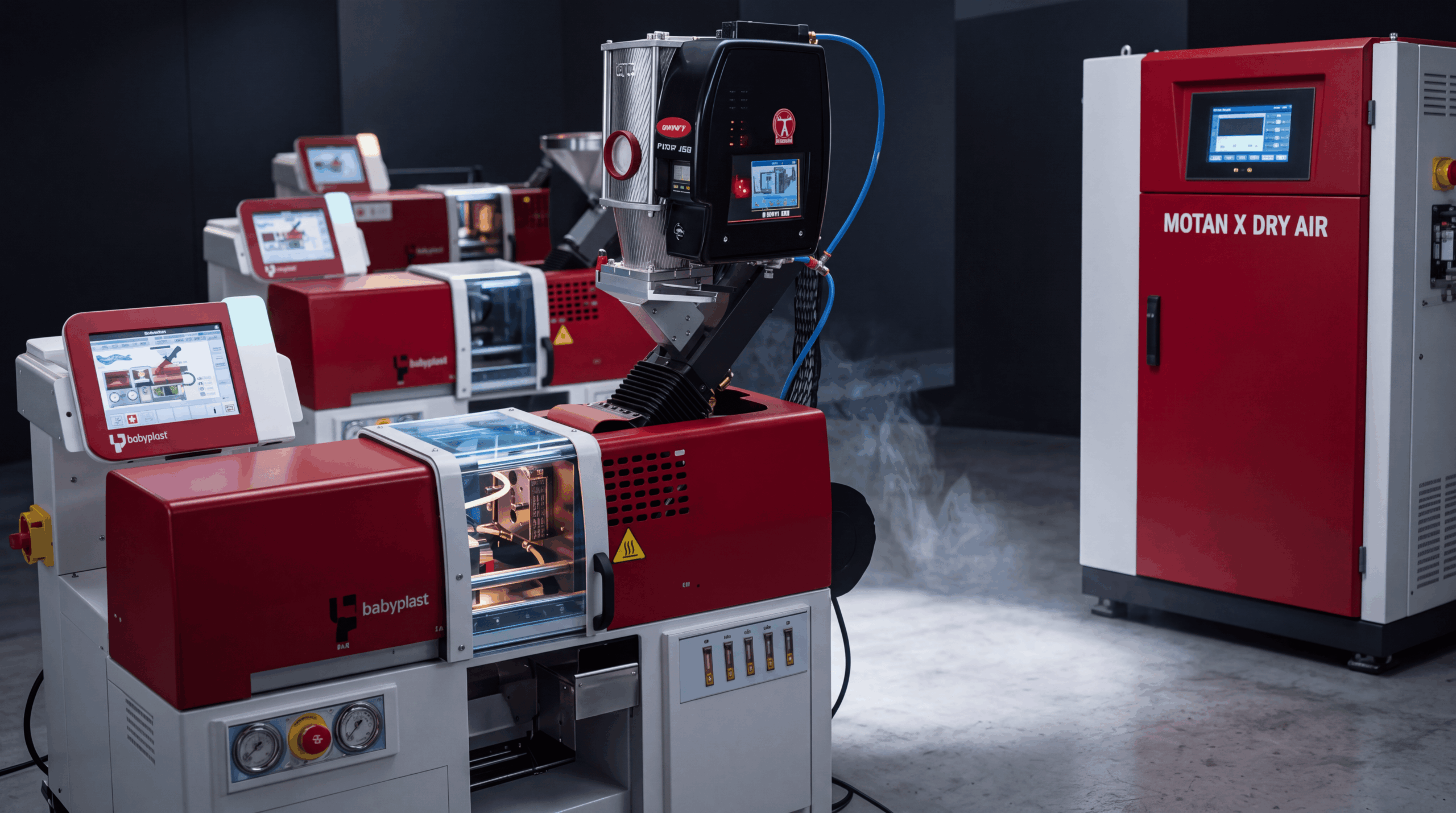
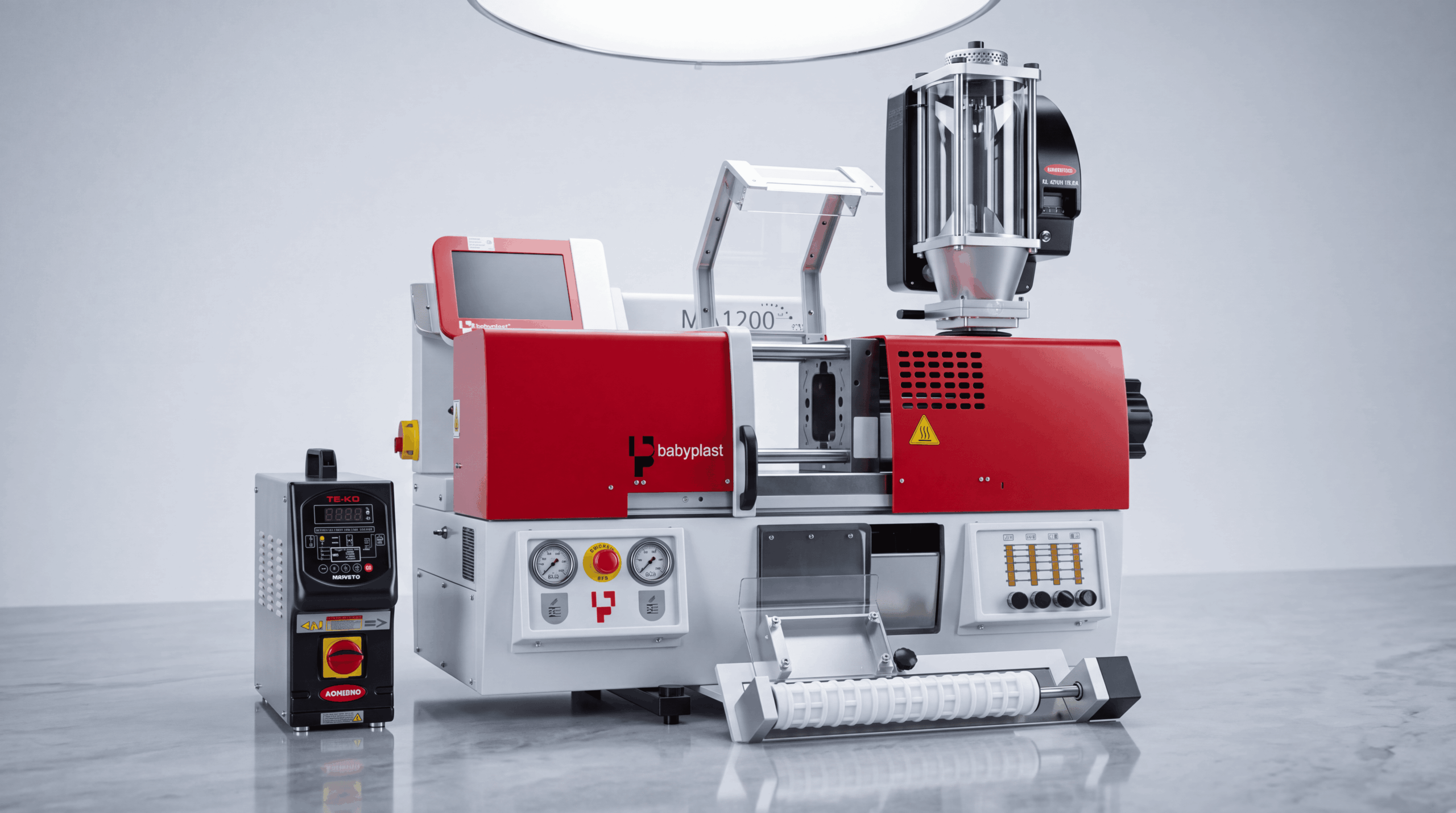
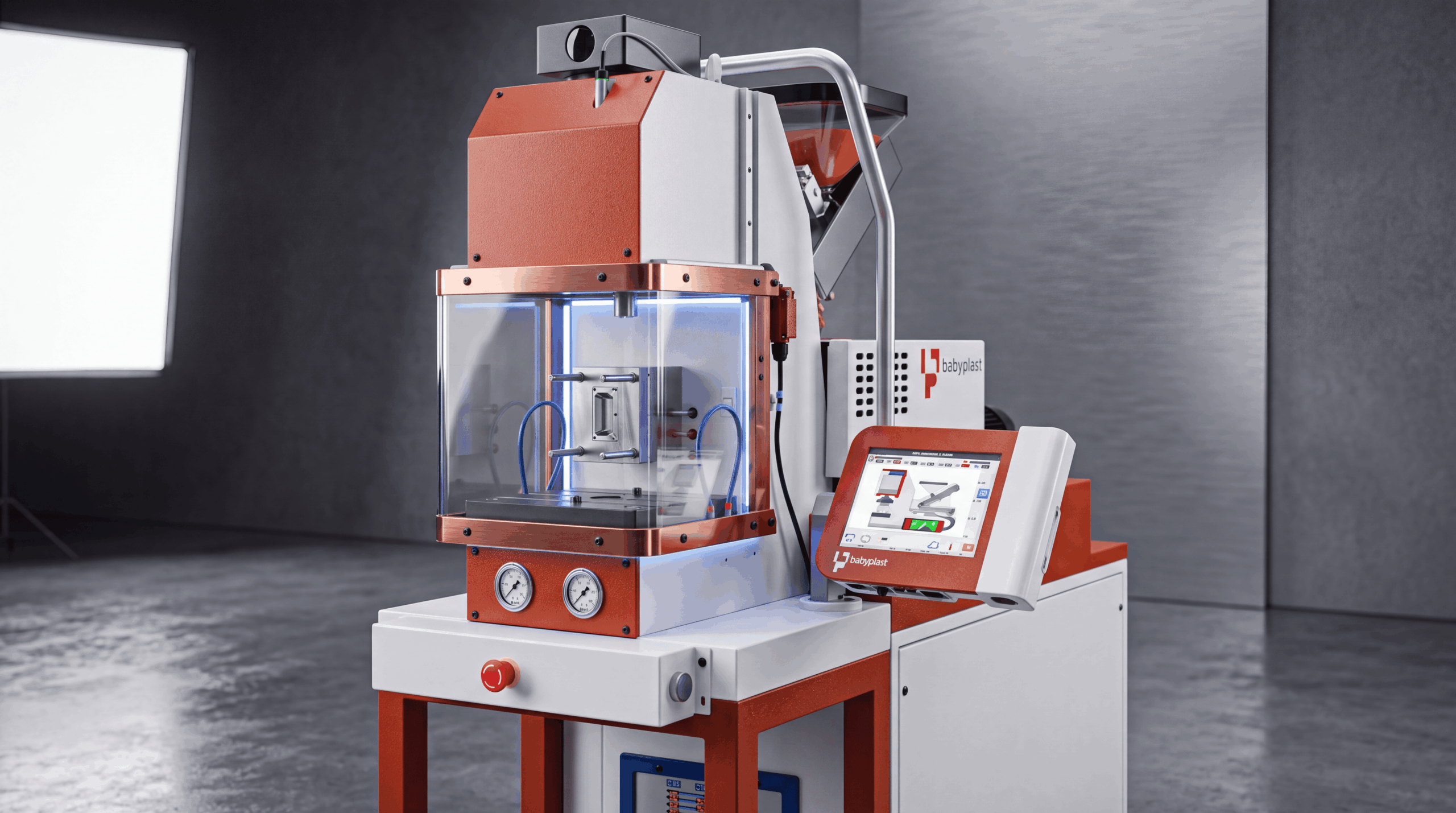
For suitable applications, a secondary injection unit can introduce an additional material into an existing moulding arrangement.
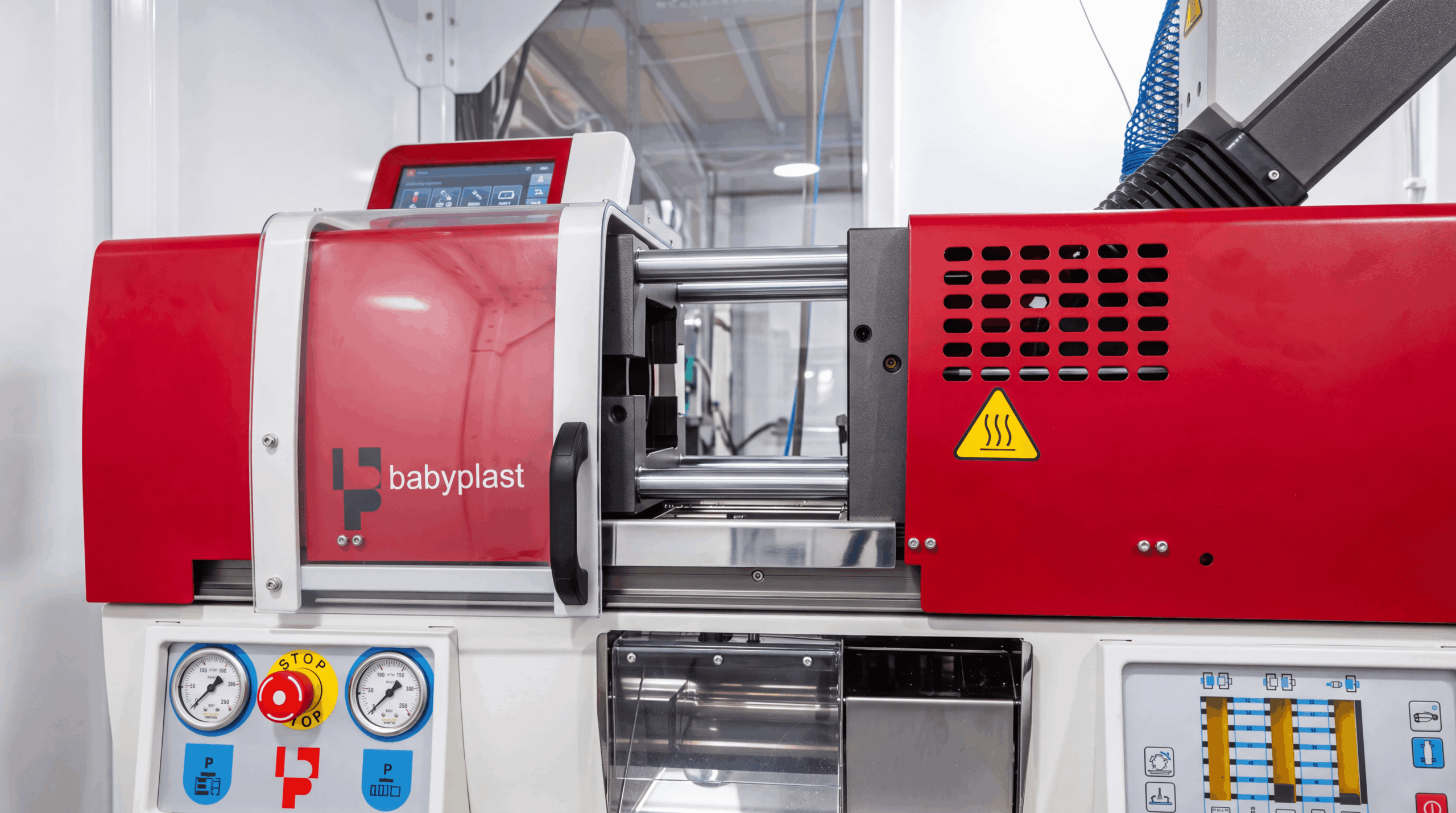
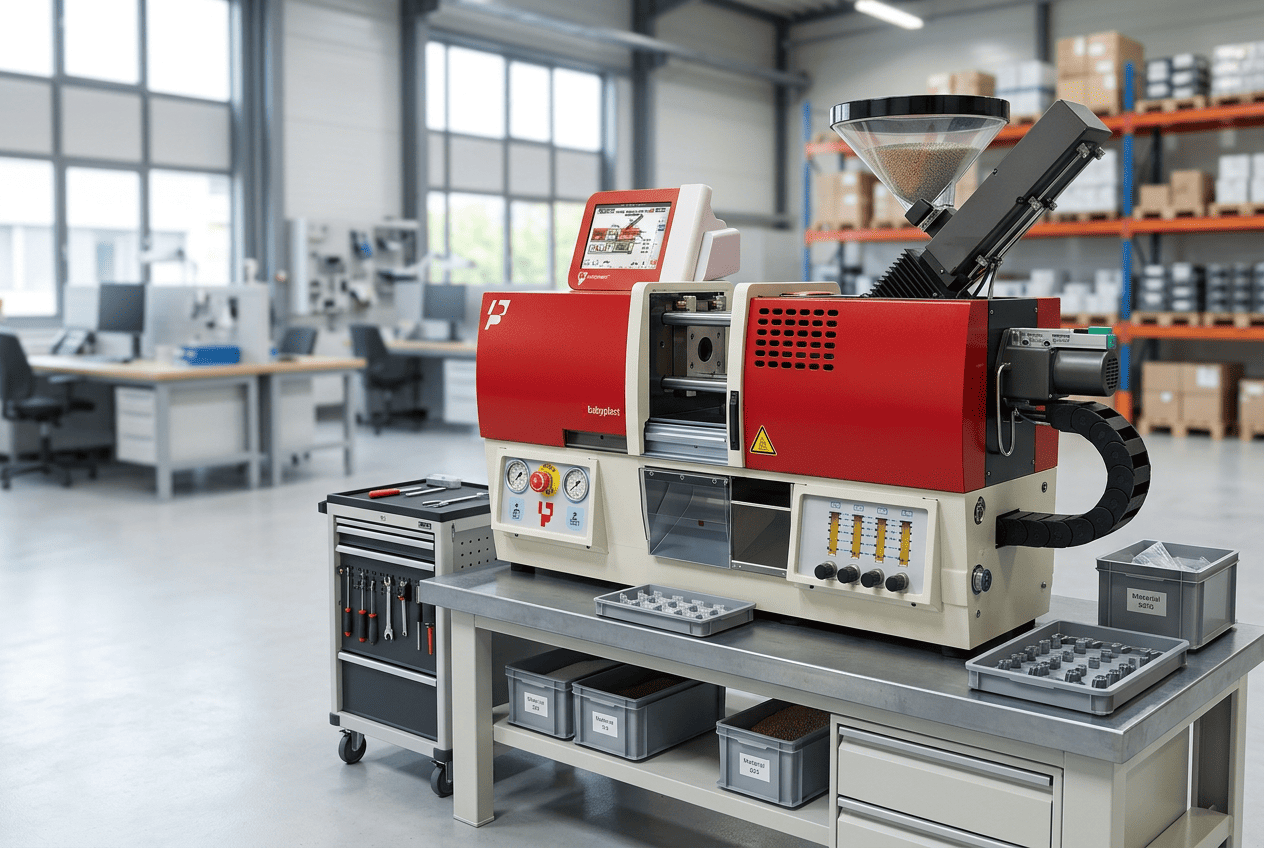
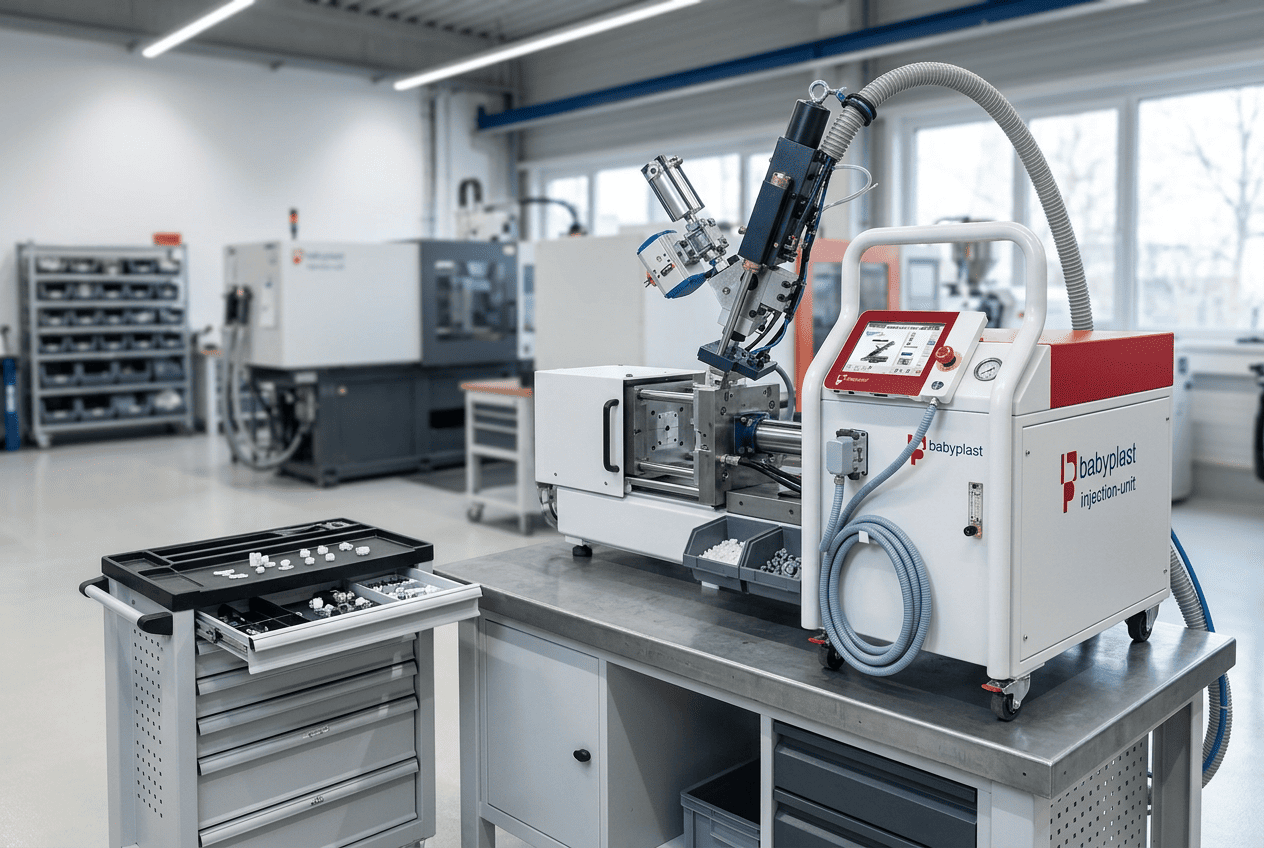
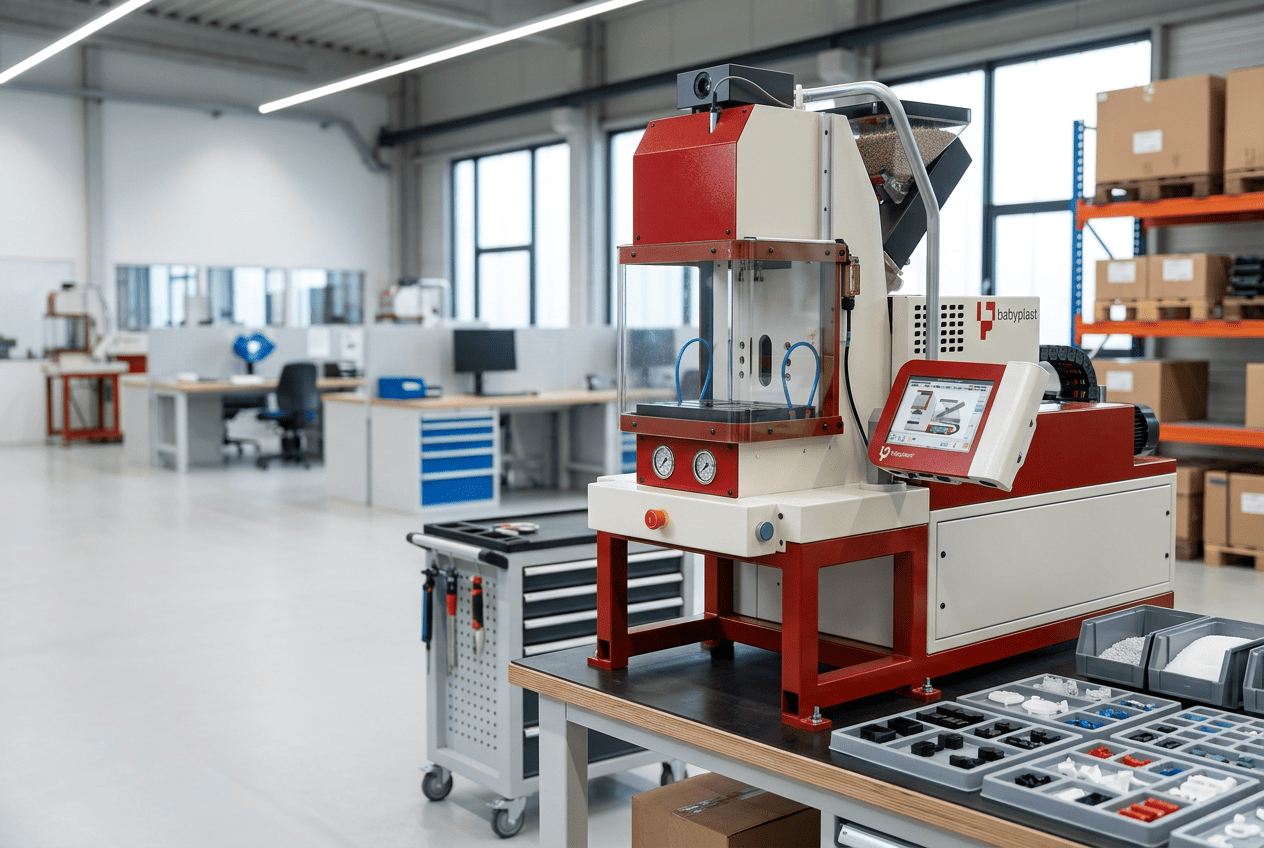
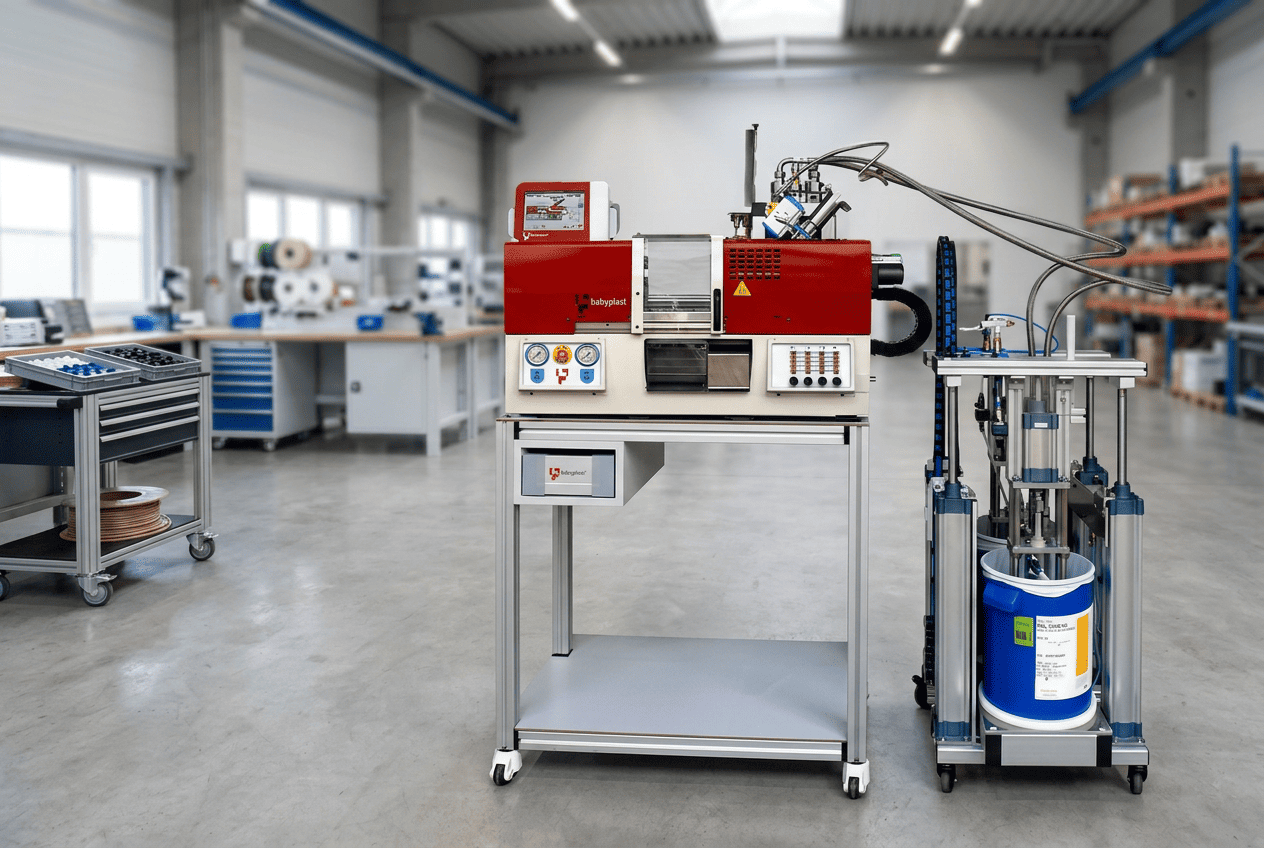
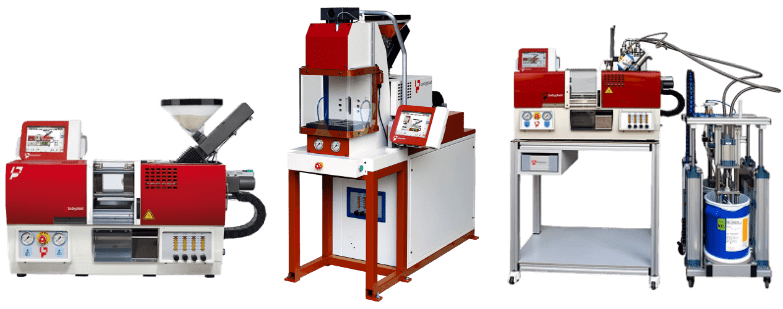
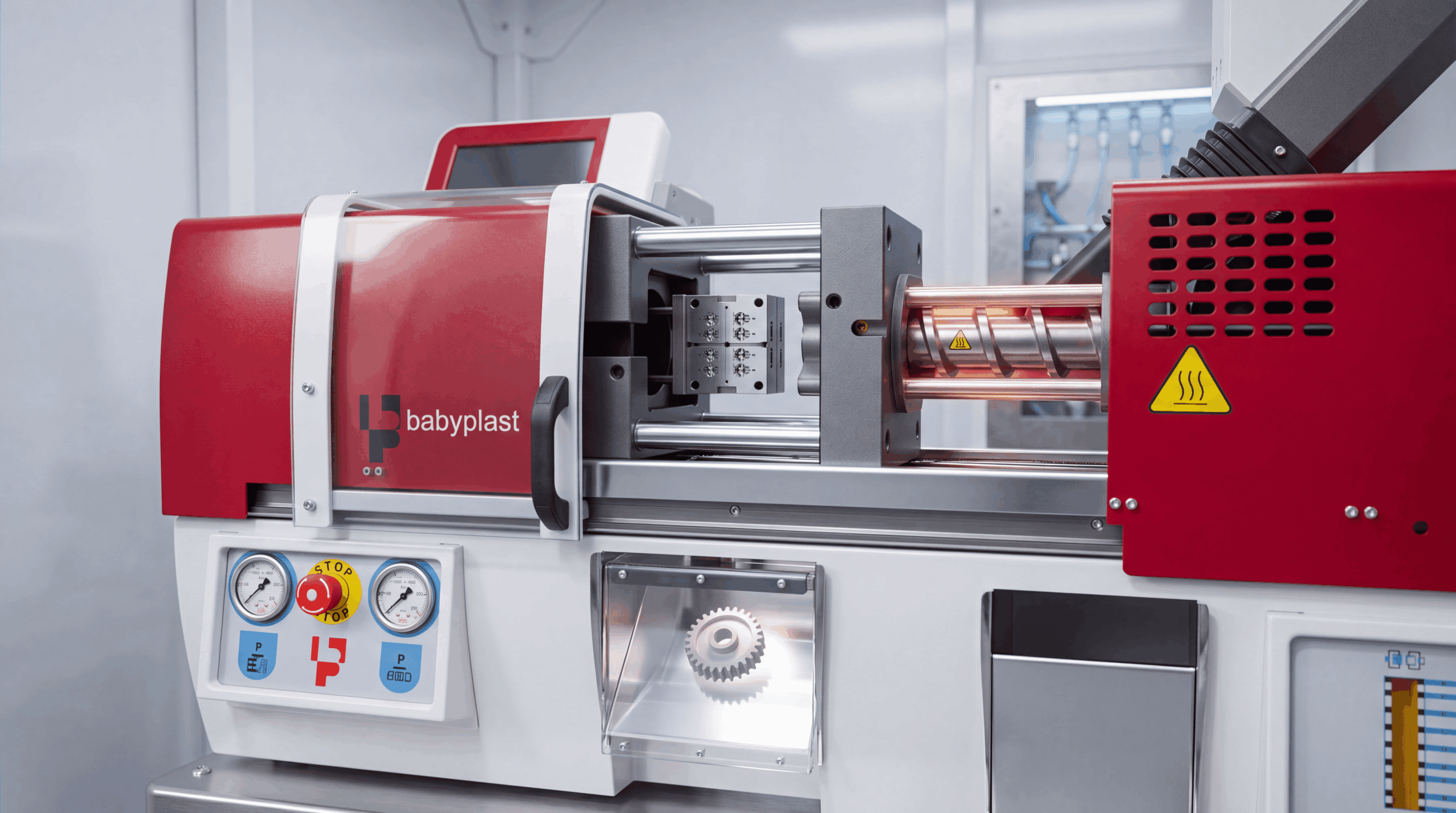
Babyplast UAI secondary injection units can add another injection stage to a suitable moulding arrangement.
This allows the manufacturing process to be assessed around the materials, shot volumes, tool sequence and level of automation required by the component.
Developing a Reliable Overmoulding Process
The suitability of overmoulding depends on the materials, component design, tooling and production sequence. The second injection stage must be compatible with the substrate and capable of producing the required features without damaging the existing component.
Babyplast UK can assess the two materials, required shot volumes, tool sequence and level of automation to determine whether a secondary unit or separate moulding operation is the more practical solution.
Explore the Babyplast UAI secondary injection unit range to learn more about the available equipment for suitable overmoulding applications.