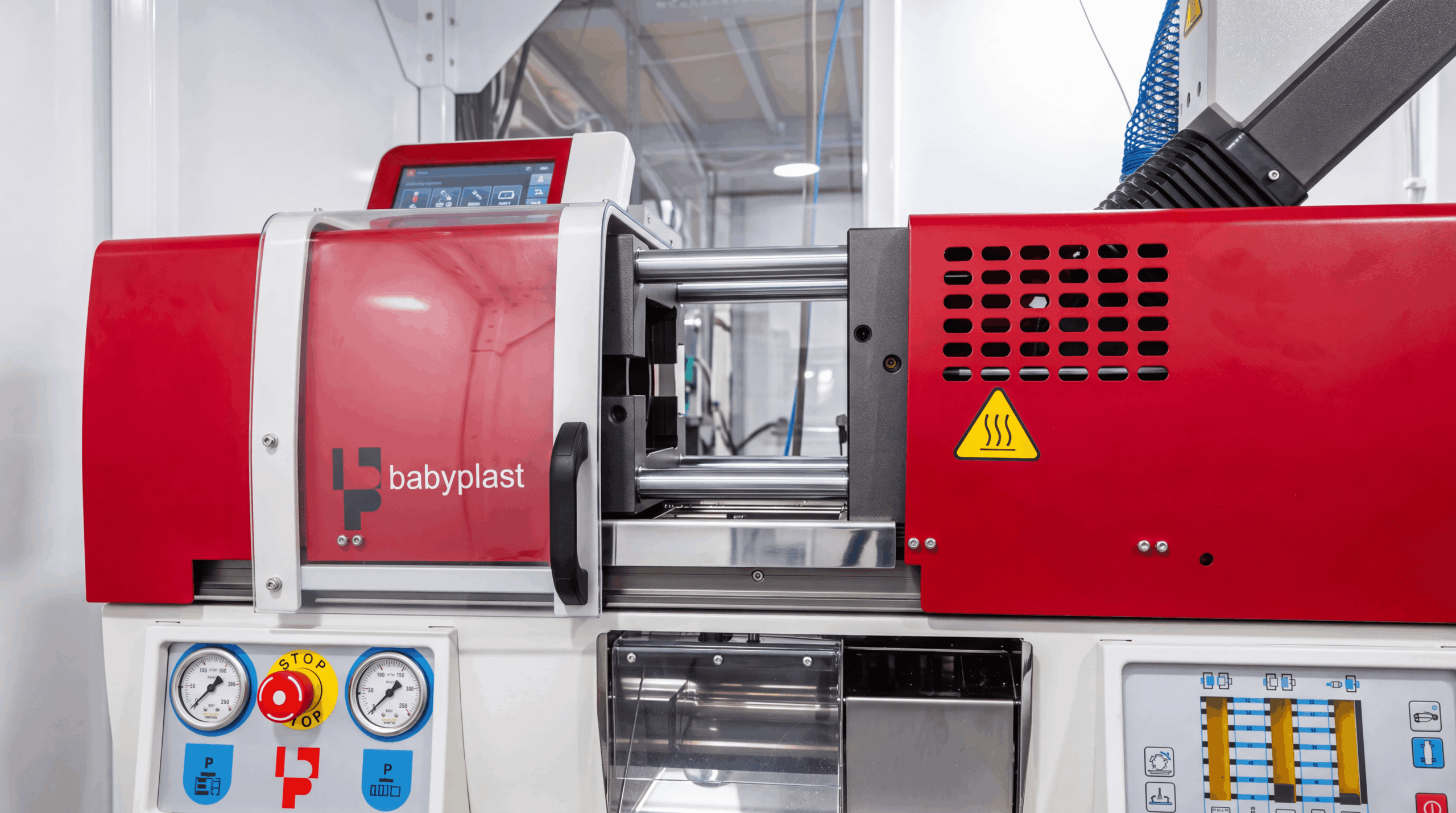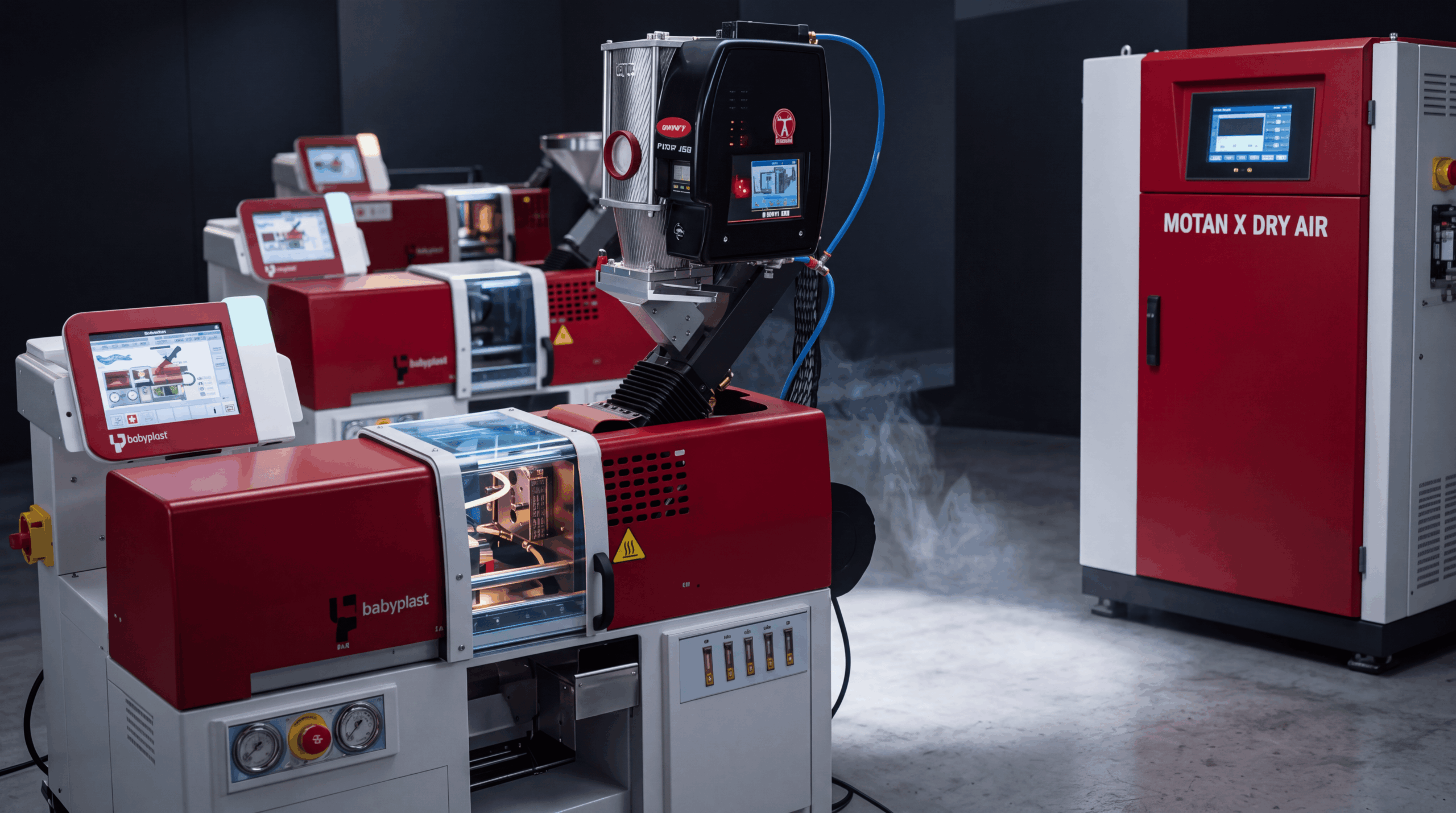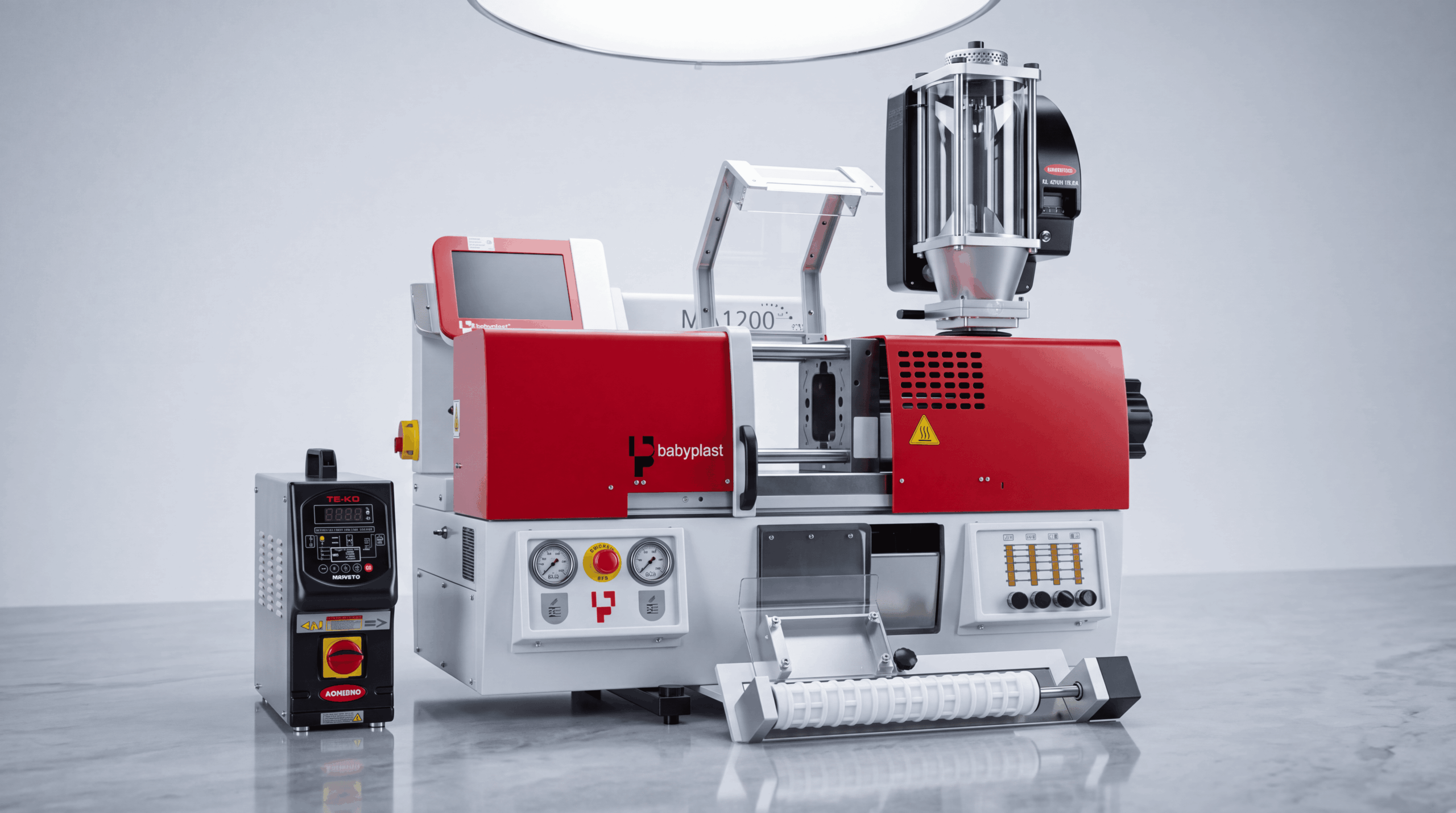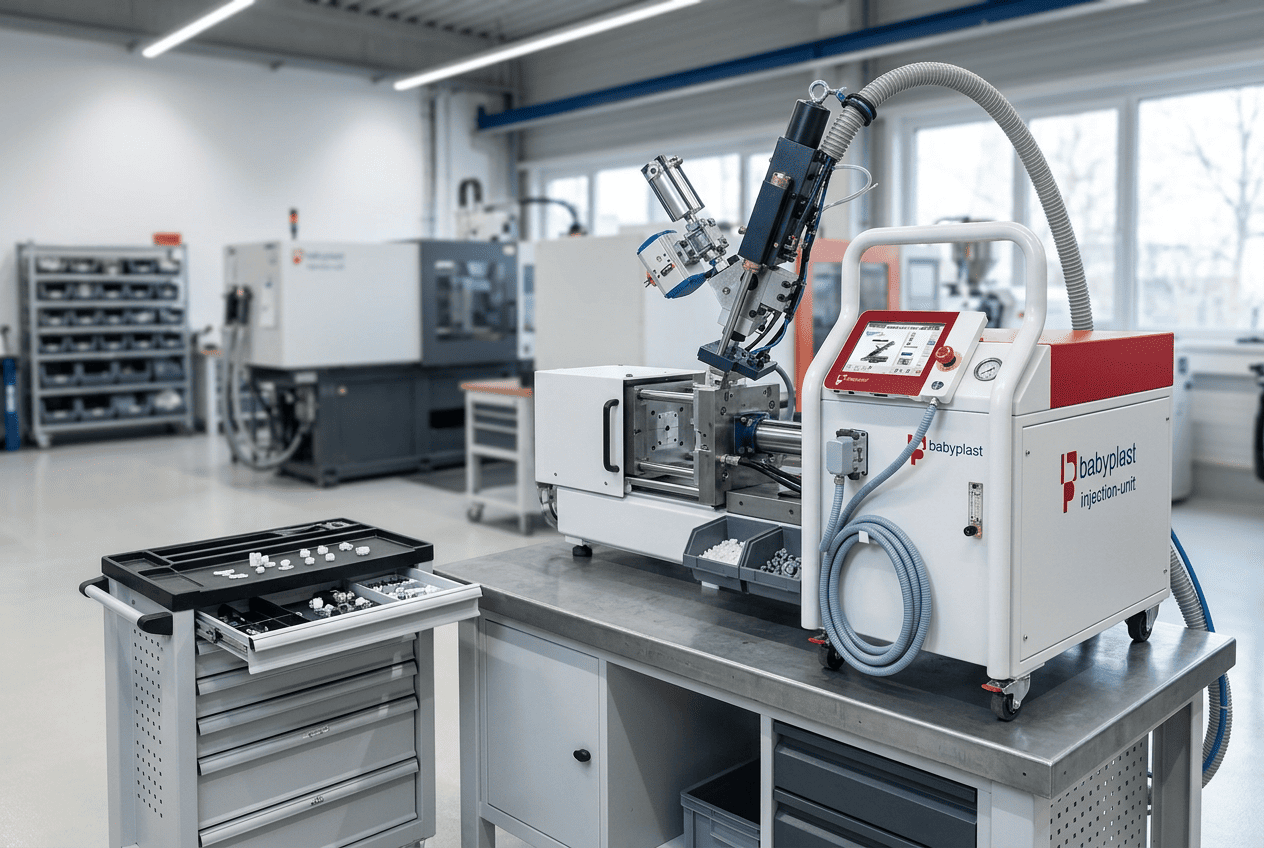
How compact precision moulding supports small connectors, sensor parts, seals and interior features.
Modern vehicles contain large numbers of small plastic, elastomeric and multi-material components. Electrical connectors, sensor elements, seals and interior mechanisms all demand repeatable production while space and weight remain tightly controlled.
Automotive micro injection moulding provides a manufacturing approach for producing small precision components where material control, tooling, dimensional accuracy and repeatability are important.
What Is Automotive Micro Injection Moulding?
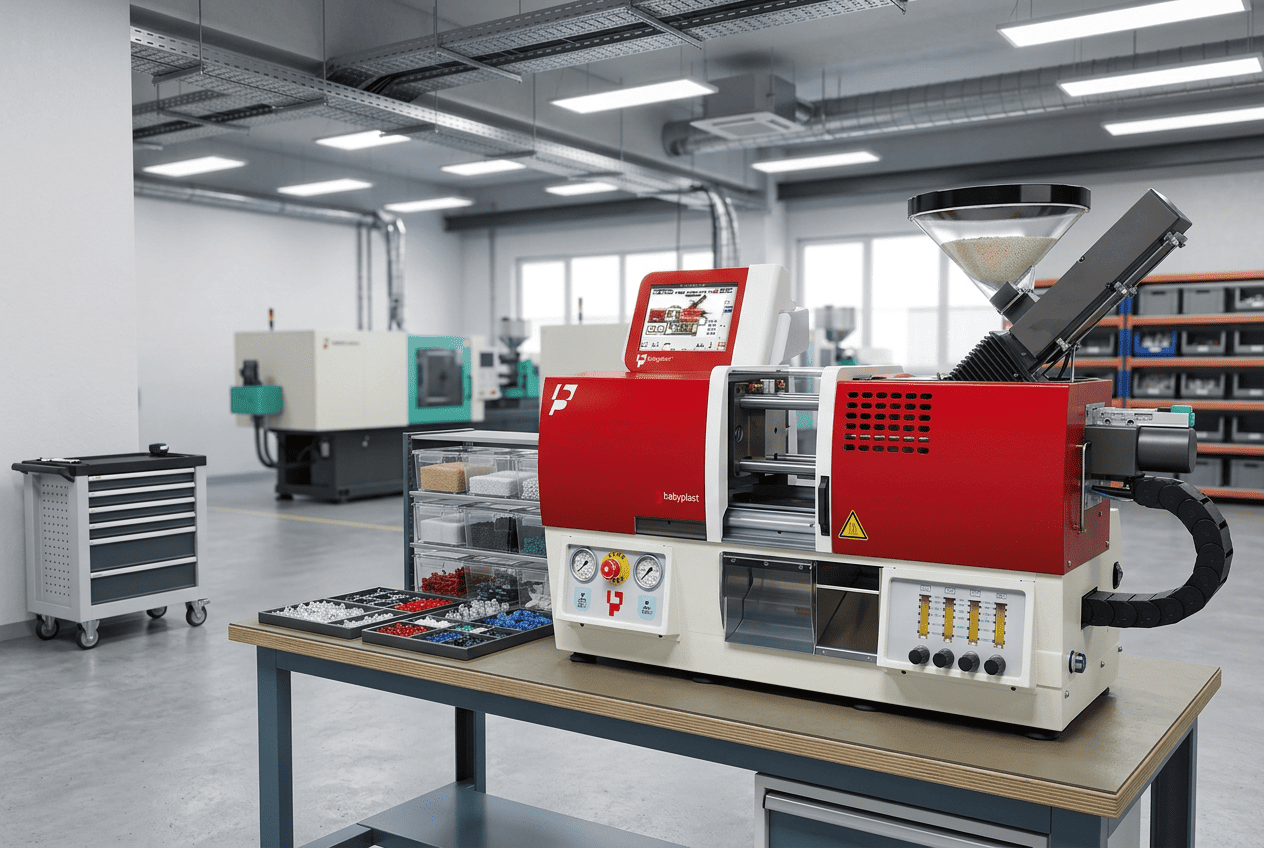
Micro injection moulding is used to manufacture small, detailed components using injection moulding equipment and tooling suited to precision production at a reduced scale.
In automotive applications, this can include plastic components, flexible seals and parts incorporating more than one material or pre-manufactured insert.
The manufacturing process must be selected around the component design, material requirements and the production and quality expectations of the application.
Where Is Micro Injection Moulding Used in Automotive Manufacturing?
Automotive manufacturing involves a wide range of small components that require accurate dimensions and reliable production.
Applications for micro injection moulding can include:
- Electrical connectors: Connector housings, terminal carriers and insulating features.
- Sensor components: Small sensor bodies and protective components.
- Sealing components: Seals, grommets, membranes and flexible valve elements.
- Interior mechanisms: Miniature clips, guides and other small mechanism parts.
- Insert-moulded components: Parts containing electrical contacts, pins or threaded features.
- Two-material components: Parts combining a rigid body with a flexible sealing area.
The appropriate moulding process depends on the geometry, material and functional requirements of each component.
Why Does Precision Matter for Small Automotive Components?
Small automotive components often need to fit accurately within larger assemblies. Even minor dimensional changes can affect how a component performs.
For example, variations in a small moulded feature can influence terminal retention, sealing, alignment or assembly.
Controlling Small Features and Thin Sections
Small gates and thin sections can make the injection moulding process sensitive to material condition, venting and temperature.
These factors need to be considered when designing the mould tool and establishing the manufacturing process.
Maintaining Repeatable Production
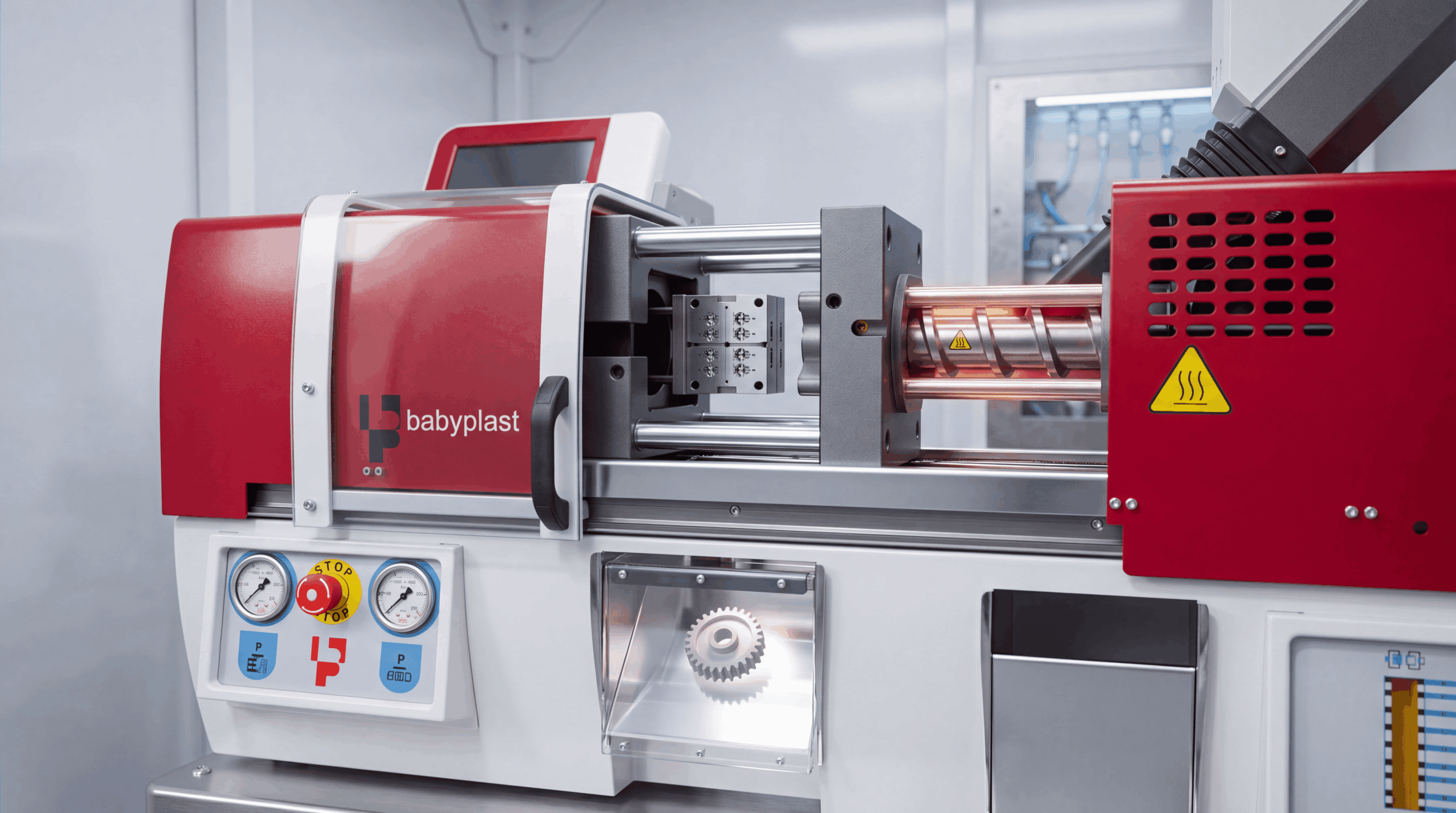
A stable injection moulding machine, a suitable injection unit and a well-designed mould tool are central to producing repeatable small automotive components.
The equipment and process must be matched to the component rather than relying on machine size alone.
Insert Moulding for Automotive Electrical Components
Insert moulding is one process used to manufacture automotive components that combine plastic with pre-manufactured metal or electrical elements.
Metal terminals, contacts and pins can be loaded into the mould and encapsulated with plastic.
This can reduce later assembly and create a compact electrical component.
Why Are Vertical Injection Moulding Machines Useful?
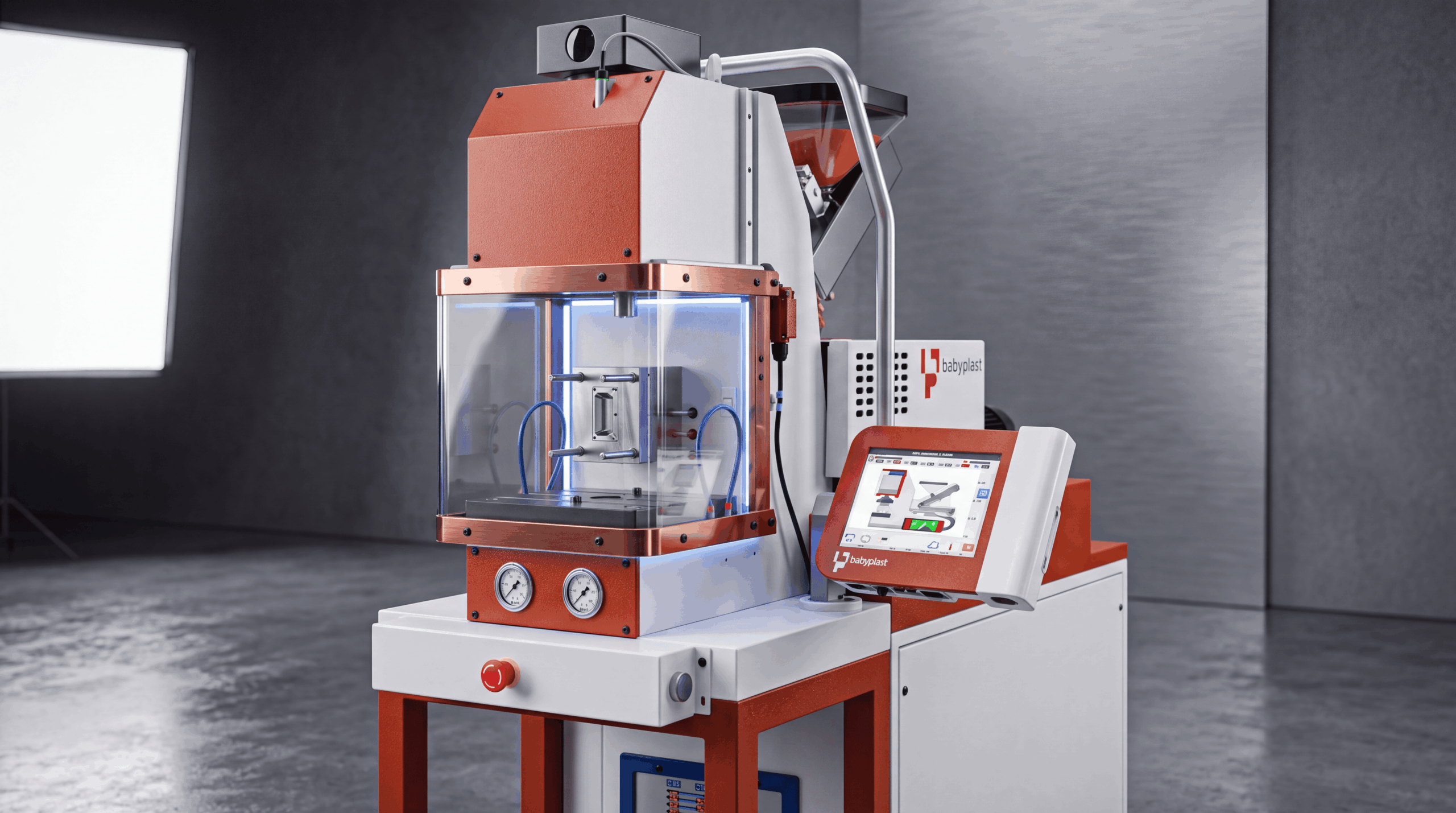
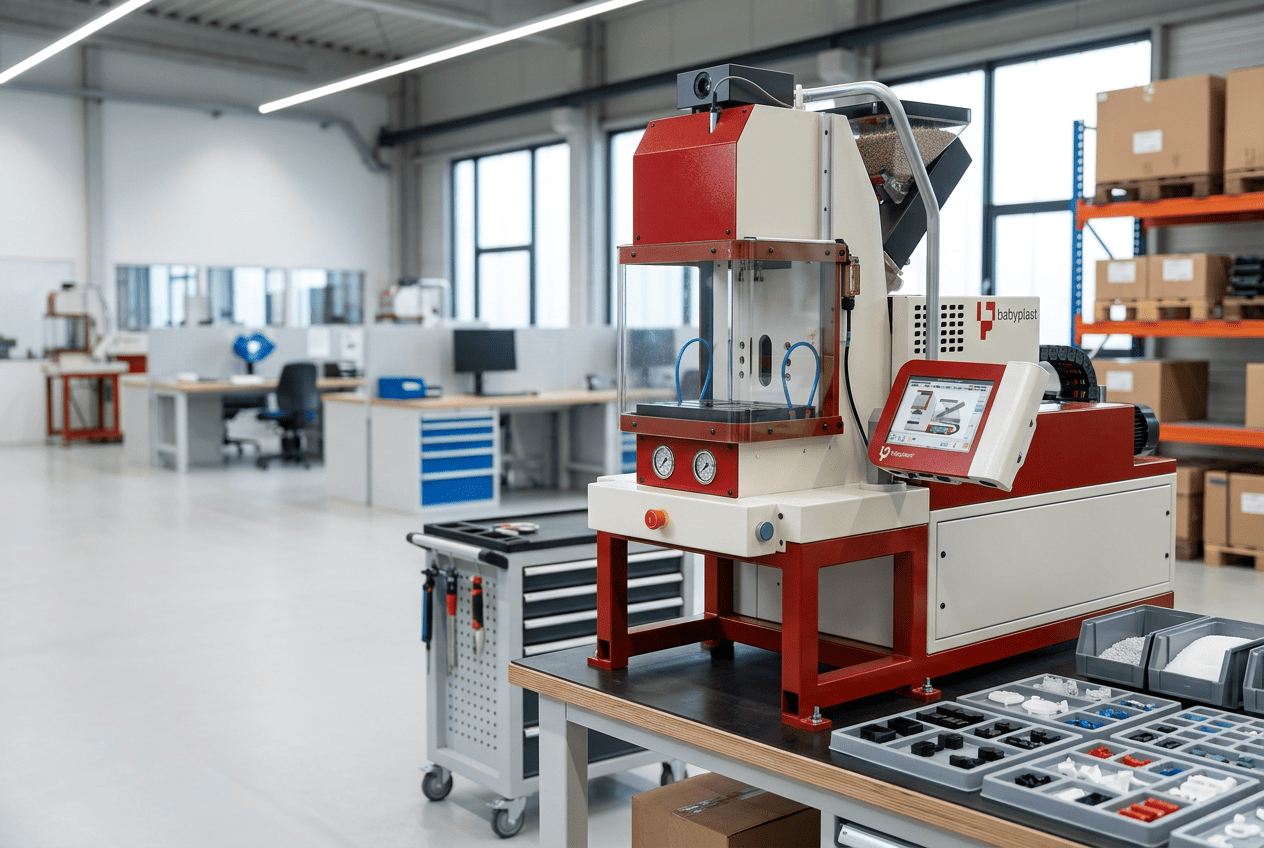
Vertical moulding layouts are often useful for insert moulding because inserts can be supported in the lower mould half before the tool closes.
This arrangement can help with positioning small contacts, pins or other items that need to remain accurately located during the moulding sequence.
Learn more about this process in our guide to insert moulding and how it works.
Overmoulding and Secondary-Shot Applications in Automotive Manufacturing
Some automotive components require more than one material to achieve their intended function.
A second material can add a seal, strain relief, grip or colour identification to a moulded component.
Multi-shot tooling or a secondary injection unit can combine these functions within a controlled moulding sequence.
Combining Rigid and Flexible Materials
Where a component requires both rigid and flexible sections, overmoulding or a multi-shot process may be considered.
Material compatibility and the design of the mould tool must be assessed to determine whether the combination is suitable.
Using a Secondary Injection Unit
A secondary injection stage can be used for suitable multi-material components, subject to the tooling arrangement, shot volume and process requirements.
The complete manufacturing sequence must be considered when selecting equipment.
For more information, explore our guide to multi-shot injection moulding.
Liquid Silicone Rubber for Automotive Components
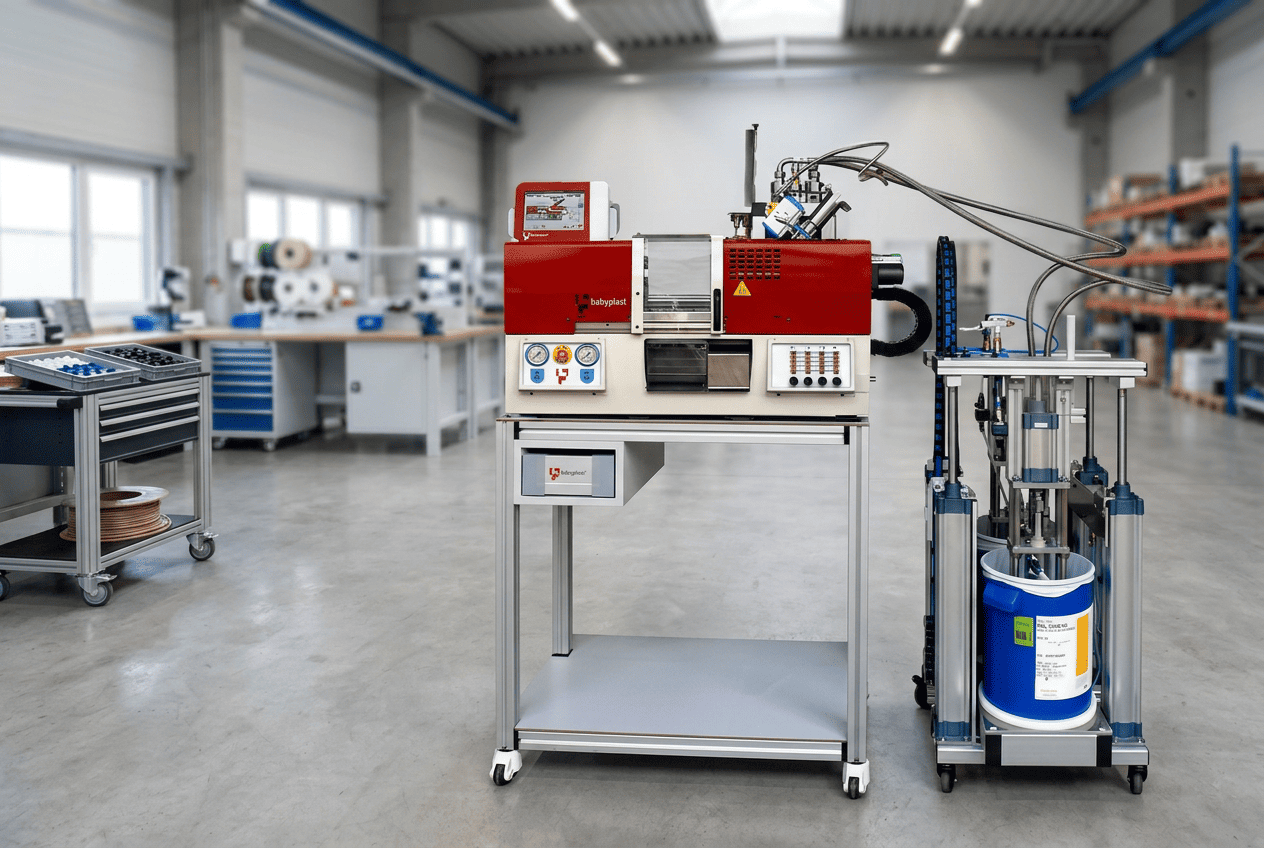
Liquid silicone rubber, commonly referred to as LSR, can be considered for small flexible automotive components requiring suitable temperature, weather or sealing performance.
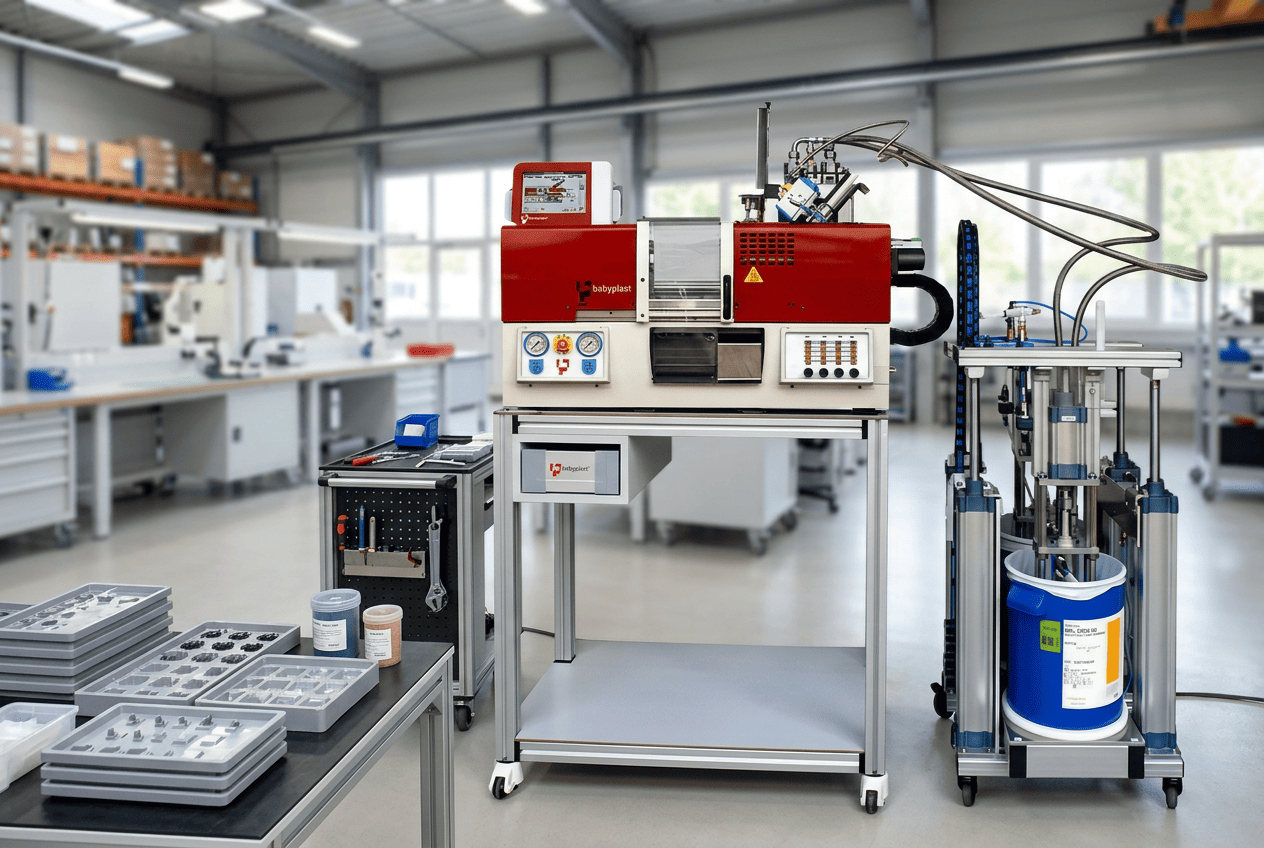
The material uses a specialist two-component feed and curing process.
Dedicated equipment and appropriate mould tool design are therefore required.
Applications for Flexible Silicone Components
Depending on the component and material requirements, liquid silicone rubber can be used for small seals and other flexible components.
The suitability of LSR should be assessed against the intended operating conditions and component design.
Read our guide to liquid silicone rubber injection moulding for more information about the process.
What Must an Automotive Micro Injection Moulding Process Control?
Producing small automotive components requires appropriate control of the materials, moulding process, inserts and finished parts.
Important considerations include:
- Material control: Material identity, drying requirements and batch traceability.
- Insert positioning: Confirming insert presence and correct orientation where inserts are used.
- Process parameters: Controlling relevant injection, pressure, temperature and position settings.
- Part removal: Removing components without damage or loss.
- Quality inspection: Defining inspection criteria and segregating non-conforming components.
- Tool maintenance: Planning maintenance and managing tool wear.
The specific controls required depend on the component, manufacturing process and customer’s quality requirements.
Material Selection for Automotive Micro-Moulded Parts
Material selection is an important part of developing a reliable automotive micro injection moulding process.
The chosen material must suit the component design, manufacturing conditions and intended application.
For very small components, material condition can have a significant influence on the moulding process.
Material Preparation and Traceability
Material identity, drying and batch traceability should be considered when establishing the production process.
These controls help support consistent manufacturing and the quality requirements of the application.
Matching Material to the Moulding Process
The selected material must be compatible with the injection unit, tooling and process conditions.
Where insert moulding, overmoulding or liquid silicone rubber processing is required, additional material and equipment considerations may apply.
For further information, explore our guide to materials used in micro injection moulding.
From Automotive Component Development to Production
A compact micro injection moulding cell can support development batches, validation and repeat production.
The production process should be developed around the finished component and its intended manufacturing requirements.
Development and Validation
During development, the material, tool design and moulding process can be assessed against the component’s dimensional and functional requirements.
Validation activities should reflect the intended use and the customer’s quality expectations.
Repeat Production and Quality Requirements
Once the production process has been established, ongoing manufacturing requires appropriate controls to maintain consistent output.
The quality plan should match the customer’s automotive requirements and may include capability studies, traceability and automated inspection.
The precise requirements must be determined for the component and its application.
Choosing a Micro Injection Moulding Machine for Automotive Components
Selecting suitable equipment begins with understanding the component, material, tooling and intended production volume.
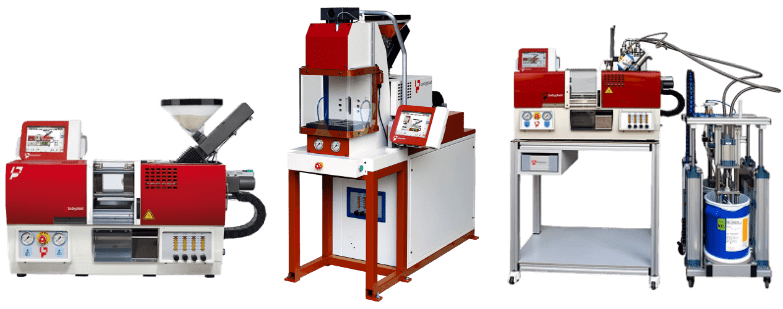
Horizontal, vertical, secondary-shot and liquid silicone rubber moulding platforms offer different arrangements for small precision parts.
The choice depends on whether the component requires conventional moulding, insert loading, additional material shots or specialist elastomer processing.
Automotive Micro Injection Moulding with Babyplast UK
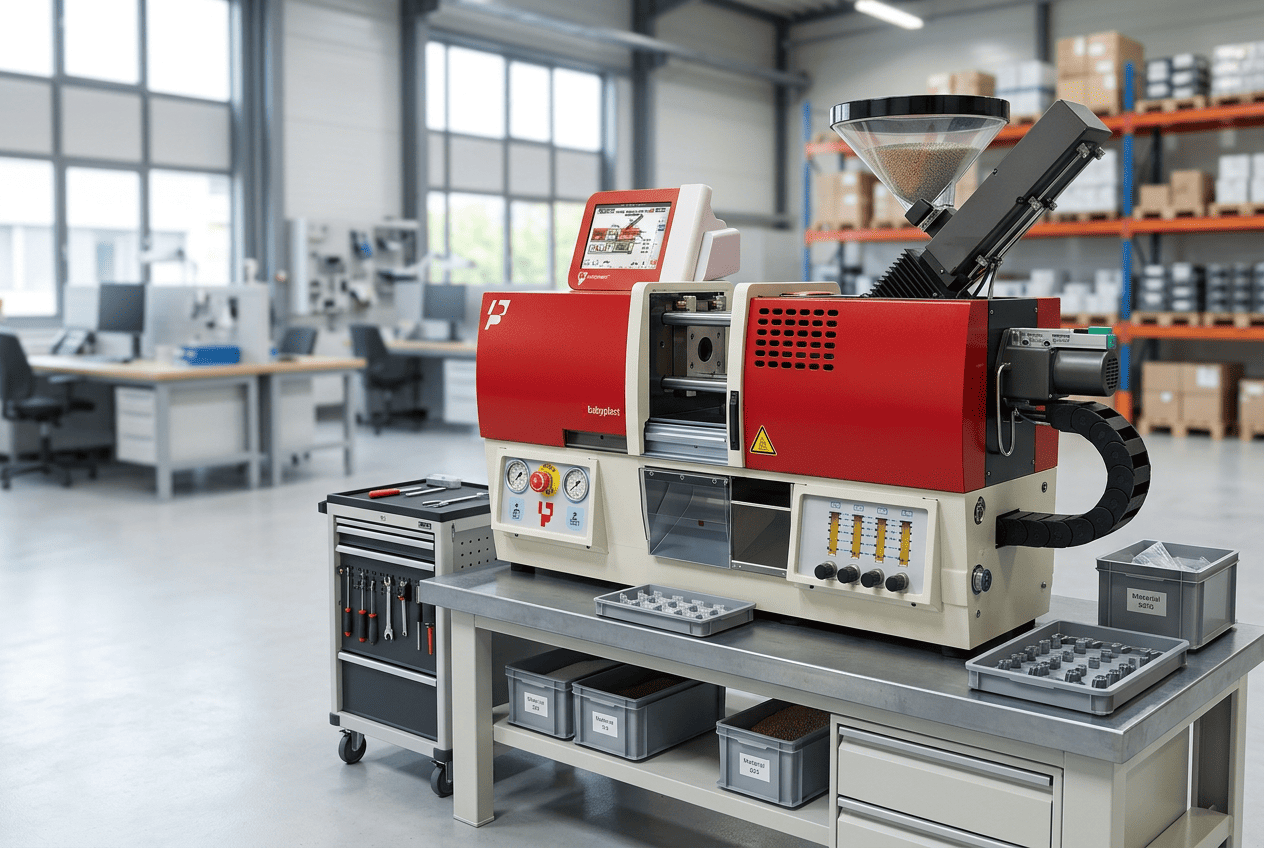
Babyplast machines are used for small precision parts in automotive and electrical applications.
The horizontal, vertical, secondary-shot and LSR range allows the production cell to be matched to the component.
Babyplast UK can review the drawing, material, inserts, tool concept and production target, and arrange a trial where appropriate.
Explore the industries supported by Babyplast UK to learn more about precision small-part moulding applications.